Amaryl (Glimepiride) Medication Description
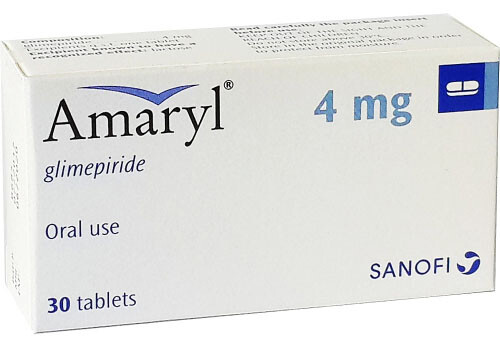
Amaryl (glimepiride) is an oral remedy for controlling blood sugar levels in patients with diabetes mellitus. The pharmaceutical product is used in combination with dietary measures and physiotherapy created to monitor the condition of patients with type 2 diabetes. Amaryl can be used both as part of monotherapy as an effective means for controlling blood glucose levels, and in complex therapy with the use of other drugs for diabetics, including insulin.
Who Is It Suitable for
Amaryl (glimepiride) is a prescription drug that refers to antidiabetic drugs called sulfonylureas. At the moment by 2022, there have been no studies that confirm or refute the safety of the product for children. Therefore, it is used in medical practice and is suitable only for adult patients with type 2 diabetes when prescribed by a certified doctor and used under his supervision. The product can also be used in the treatment of pregnant women, but the treatment regimen should be adjusted in accordance with the recommendations.
How Does It Work
Oral sulfonylurea Amaryl contains the active substance of glimepiride (C24H34N4O5S), which stimulates the release of insulin from the pancreas into the blood and causes blood cells to use it intensively. Using this mechanism, Amaryl provides a decrease in blood glucose levels.
| Groups |
Diabetes Complications (Number of patients) |
| Neuropathy |
Retinopathy |
Nephropathy |
Diabetic foot |
CVD |
PVD |
| Group 1 |
32 |
21 |
18 |
10 |
22 |
15 |
| Group 2 |
177 |
94 |
57 |
35 |
87 |
40 |
| Group 3 |
326 |
172 |
115 |
73 |
200 |
67 |
| Group 4 |
62 |
32 |
15 |
16 |
35 |
17 |
| Group 5 |
22 |
8 |
5 |
3 |
9 |
3 |
| CVD: Cardiovascular disease, PVD: Peripheral vascular disease |
Glimepiride Precautions to Be Aware Of
Despite the fact that the drug is recognized as safe when used as part of the therapy prescribed by the doctor, there are a number of warnings that the patient and the doctor should follow. Firstly, it is not necessary to use Amaryl in the treatment of patients suffering from diabetic ketoacidosis. In this case, the treatment regimen should be adjusted by a certified doctor.
Secondly, before taking a drug containing glimepiride, you should inform your doctor about the presence of an allergy to sulfamide preparations. As a rule, the doctor who prescribes Amaryl clarifies all these issues. In addition, it is worth notifying the attending physician about heart, liver, kidney diseases, problems with the adrenal glands or pituitary gland, enzyme deficiency (G6PD) or episodes of malnutrition that may concern the patient.
Now, let's talk about the issues which the patient should control. A person taking Amaryl is obliged to systematically monitor blood sugar levels. If it is too low, it may cause the symptoms of hypoglycemia, such as headache, hunger, weakness, sweating, tremor, irritability or problems with concentration. Therefore, patients taking Amaryl are advised to carry lollipops with them in case of hypoglycemia. So, they will be able to avoid severe and dangerous conditions.
Warnings
Taking the drug is unacceptable if the patient is allergic to glimepiride or sulfonamides. Amaryl can also increase the risk of serious heart problems. Therefore, the drug should be taken under the supervision of a doctor. The instructions should be followed in the process of using a pharmaceutical product.
Contraindications
The drug is contraindicated to patients who have hypersensitivity to the active substance or any other components of the pharmaceutical product Amaryl. The drug should not be prescribed to patients with a developed allergic reaction to sulfonamide derivatives. If the patient has a history of such cases, then it is worth giving up Amaryl.
The most frequently recorded hypersensitivity reactions of the body include skin rashes with or without itching, anaphylaxis, angioedema, Stevens-Johnson syndrome, shortness of breath. Such reactions are quite dangerous, so the attending physician should check in advance about the patient's lack of allergy to the components of the drug, and first of all - to the main active ingredient.
Cautions
Hypoglycemia is a condition that can be provoked by taking the drug Amaryl, which is confirmed by both research and medical practice. Severe forms of hypoglycemia can disrupt the patient's ability to concentrate and react, as well as lead to loss of consciousness. These points should be taken into account when driving a car and other situations in which it is unacceptable to violate important factors responsible for the safety of yourself and others.
The patient taking Amaryl should be trained to detect and control hypoglycemic conditions. Therefore, the appointment and increase of doses of Amaryl to elderly patients, patients with renal insufficiency or taking other antidiabetic drugs should be accompanied by appropriate information support from the physician. This applies to all risk groups in which the probability of hypoglycemic manifestations is higher than average.
Pregnancy and Lactation
At the moment, there are no adequate and well-controlled studies of the drug taken by pregnant women. At the same time, animal tests of the drug revealed an increase in congenital anomalies. As for the increase in fetal mortality, this was recorded only when a person was administered a dose which was 50 times higher than the maximum permissible dose for a person. A pregnant woman suffering from type 2 diabetes may need a short break in taking the drug shortly before the due date (approximately 2 weeks before delivery). This is due to the fact that glimepiride can provoke severe hypoglycemia in newborns.
During lactation, the mother taking Amaryl should record any signs of hypoglycemia in the child. These may be symptoms such as:
- severe drowsiness;
- feeding problems;
- spotted skin;
- blue lips;
- feeling cold;
- nervousness or convulsions.
Amaryl is recommended for use to pregnant women with type 2 diabetes mellitus only if the potential benefits justify the potential risk to the fetus. In any case, during the treatment of diabetes during pregnancy, it is necessary to direct the blood sugar level as close to normal as possible. The same applies to women during breastfeeding.
Glimepiride Dosage
Glimepiride is a serious drug that requires strict dosage control. Below, you can find the key information for prescribing and choosing a dosage regimen for patients.
How and When to Take It
Amaryl should be taken orally during the first main meal at a starting dosage of 1 to 2 mg per day. If the patient has a high tendency to hypoglycemia (primarily elderly people and people with renal insufficiency), then the initial dose should be no more than 1 mg per day. When the daily dose is 2 mg, it is possible to increase the dose in 1-2 mg increments under the supervision of a doctor, taking into account the therapeutic effect. At the same time, the dose should not be increased more often than once a week, and a special prescription regimen should be applied to patients with an increased tendency to hypoglycemia.
If the doctor transfers patients from sulfonylureas with a longer half-life to Amaryl, then an overlapping effect may be recorded for up to 2 weeks. This feature of the transition from one drug to another requires additional monitoring for the appearance of hypoglycemic conditions. Also, if there is the simultaneous use of colesevelam with glimepiride, the maximum plasma concentration and total exposure of glimepiride decrease, therefore it is recommended to administer both drugs separately with a time gap of at least 4 hours.
Maximum Dose
The maximum permissible recommended dose of the drug Amaryl is 8 mg once a day. Exceeding this dose can lead to pronounced side effects, including serious deterioration of the patient's condition. It is unacceptable to use a dose higher than the maximum possible since this can cause an overdose and a number of negative and dangerous consequences for the patient.
What If I Miss a Dose
If you miss taking Amaryl, then you need to take it as soon as possible. If you missed taking the drug for a day, then just take the next dose according to the schedule and return to the usual dosing system. Taking a double dose of the drug is excluded since it is highly likely to cause an overdose and provoke a number of undesirable effects.
Overdose
Overdose of the drug is life-threatening, as it can provoke a deep form of hypoglycemia. Overdose manifests itself as weakness, confusion, tremor, sweating, palpitations, speech problems, nausea, vomiting, rapid breathing, fainting, and convulsions. In case of overdose with the drug, you should consult a doctor. When identifying hypoglycemia, the patient should act in accordance with the doctor's recommendations. The patient's relatives should also be informed about how to act in a situation of hypoglycemia or drug overdose since the patient needs help in a deep hypoglycemic crisis.
Interaction with Other Products
The drug may react with other drugs and substances. Therefore, the patient should inform his physician of any facts regarding the reception of other drugs.
Alcohol/Food Interactions
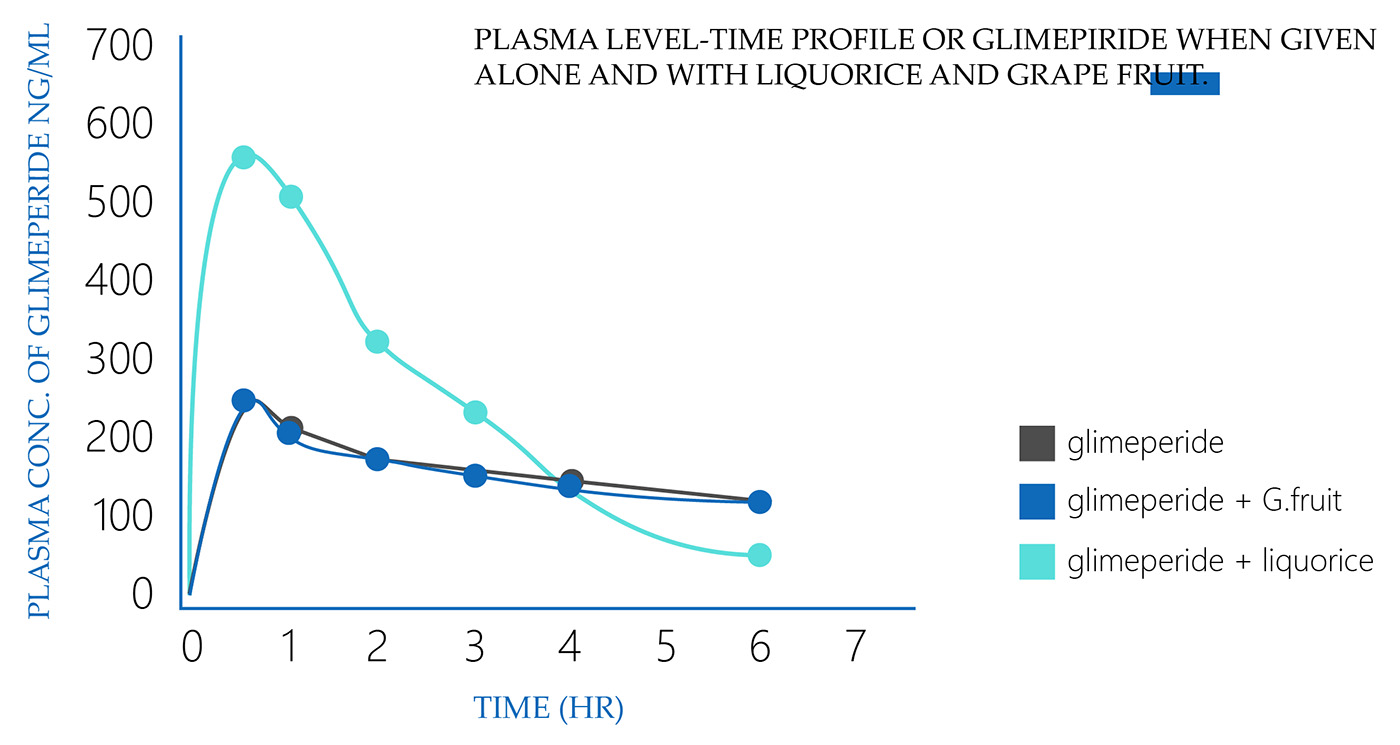
Alcohol can aggravate the side effects of taking Amaryl, which has been proven by a number of studies and medical practice. Negative reactions can manifest as erythema, headache, nausea, vomiting, weakness, blurred vision, increased sweating, suffocation, confusion, difficulty breathing, and anxiety. Therefore, if you want to avoid adverse reactions, it is not recommended to mix alcohol and Amaryl for patients with type 2 diabetes.
At the moment, no products have been identified that should be avoided when using the drug. At the same time, if you have any questions, ask your your physician.
Other Medications
A number of drugs that affect glucose metabolism may require adjustment of the dose of Amaryl. Such patients need more careful monitoring and hypoglycemic control. They include:
- oral antidiabetic drugs;
- pramlintide acetate;
- insulin;
- angiotensin-converting enzyme (ACE) inhibitors;
- somatostatin analogs;
- anabolic steroids and androgens;
- cyclophosphamide;
- pheniramidol;
- H2 receptor antagonists;
- fibrates;
- propoxyphene;
- pentoxifylline;
- guanetidine;
- fluconazole;
- sulfinpyrazone;
- tetracyclines;
- clarithromycin;
- disopyramide;
- high-binding proteins and quinolones anti-inflammatory drugs;
- salicylates;
- sulfonamides;
- chloramphenicol;
- coumarins;
- probenecid;
- monoamine oxidase inhibitors.
Beta-blockers, clonidine, and reserpine may also affect the glucose-lowering effect of Amaryl. In addition, there were cases of severe hypoglycemia provoked by systemic oral administration of miconazole and sulfonylurea. As for other (non-oral) forms of miconazole and their potential interaction with Amaryl, there is not enough research. Interaction between glimepiride and inhibitors and inducers of cytochrome P450 2C9 is also possible.
Fluconazole may inhibit glimepiride metabolism, provoking hypoglycemia. Rifampicin, in turn, can induce glimepiride metabolism, leading to the deterioration of glycemic control. Colesevelam can reduce the maximum concentration of glimepiride in plasma, but bioavailability does not decrease with the administration of Amaryl within 4 hours before colesevelam. Therefore, such a scheme is acceptable when combining two drugs.
Glimepiride Side Effects
Amaryl can cause a number of side effects. The following are general and other side effects that may occur when taking the drug.
Table 2. Eleven Pooled Placebo-Controlled Trials ranging from 13 weeks to 12 month: Adverse Events (Excluding Hypoglycemia) Occuring in ≥ 5% of glimepiride-treated patients and at a greater incidence than with Placebo:
| |
GLIMEPIRIDE |
PLACEBO |
| |
N = 745 |
N = 294 |
| |
% |
% |
| Headache |
8.2 |
7.8 |
| Accidental Injury ± |
5.8 |
3.4 |
| Flu Syndrome |
5.4 |
4.4 |
| Nausea |
5.0 |
3.4 |
| Dizziness |
5.0 |
2.4 |
- Glimepiridine doses ranged from 1 to 16 mg administered daily
- Insufficient information to determine whether any of the accidental injury events were associated with hypoglycemia
|
Common Side Effects
The main side effects that occur when taking the drug include:
- hypoglycemia;
- dizziness;
- weakness;
- hives;
- diarrhea;
- gastrointestinal pain;
- vomiting;
- headache;
- nausea;
- allergic skin reactions;
- reddening of the skin;
- rash;
- severe itching;
- decreased immunity;
- low red blood cells;
- aplastic anemia;
- leukopenia;
- pancytopenia;
- thrombocytopenia;
- cholestasis;
- elevation of liver enzyme levels;
- kidney enzyme deficiency reactions;
- disulfiram-like reactions;
- low sodium levels;
- weight gain.
The attending physician is obliged to notify the patient of all possible adverse reactions and prepare him for their appearance. In general, Amaryl has proven itself to be a fairly mild drug that does not cause pronounced reactions in most patients with the 2nd form of diabetes mellitus.
Serious Side Effects
The serious side effects recorded when taking Amaryl include such symptoms as:
- pale or yellowed skin;
- dark-colored urine;
- confusion of thoughts;
- weakness and high fever.
If you have fixed one of these symptoms, you should immediately consult a doctor. You also need to act with a deep hypoglycemic condition.
Drugs Similar to Amaryl (Glimepiride)
Several drugs similar to Amaryl (glimepiride) belong to the class of sulfonylureas, offering comparable mechanisms of action in managing diabetes by stimulating insulin secretion from pancreatic beta cells.
Gliclazide, marketed under various brand names like Diamicron, shares similarities with glimepiride in its ability to enhance insulin release, thereby reducing blood glucose levels. Another alternative is glipizide, available under brand names such as Glucotrol, which also acts as a sulfonylurea to promote insulin secretion. These drugs, like Amaryl, are typically prescribed for individuals with type 2 diabetes who are unable to achieve adequate glycemic control through lifestyle modifications alone. However, it's crucial to consider individual patient factors, such as tolerability and risk of hypoglycemia, when selecting the most suitable medication from this class.
Amaryl Medication Storage and Disposal Information
Amaryl pills should be stored at room temperature, in the original packaging. If children live with you in the house, then it is necessary to exclude their possible access to the drug.
NB! If the drug is expired, it must be disposed. Do not take an expired drug.