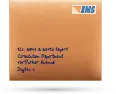
Your order is securely packed and usually ships within 24 hours. Here's what a typical package looks like.
It is about the size of a regular letter (9.4x4.3x0.3 inches) and shows no details about what is inside.
Front View
Side View
Back View
Shipping Times
Shipping Method
Estimated delivery
Express Free for orders over $300.00
Estimated delivery to the U.S.: 4-7 days
Standard Free for orders over $200.00
Estimated delivery to the U.S.: 14-21 days
Payment Methods
Discount Coupons
Independence Day - July 4, 2026 10%JULY410
Labor Day - September 7, 2026 7%LABOR07
Thanksgiving - November 26, 2026 9%THANKS09
Brand Names
Also known as (by country):
Country
Brand Names
United States
GlucophageGlumetza
FAQ
Metformin tablets require a prescription when purchased from local pharmacies in the United States. Under our store policy, Glycomet may be ordered without a prescription and sent by mail.
Contact the clinician managing your diabetes promptly to review treatment. Metformin is not automatically contraindicated in pregnancy, but the decision to continue, change, or add treatment must weigh the risks of poorly controlled diabetes against the available options. Do not make a universal stop-or-continue decision on your own.
The available product information does not establish that the exact Glycomet 250 mg or 500 mg tablet supplied is FDA-approved or listed for marketing in the United States. Metformin is an established prescription medicine in the United States, but that does not confirm the regulatory status of a particular brand or manufacturer.
Glycomet contains metformin and is taken orally, usually with a meal to reduce stomach upset. Take it at the times and dose prescribed for you, with water, and do not change the dose or schedule without reviewing it with the clinician who manages your diabetes. Taking metformin with food also helps reduce nausea and diarrhea.
Common effects include diarrhea, nausea, stomach discomfort, gas, and a metallic taste, especially when treatment begins or the dose is increased. Taking tablets with food may help. Seek urgent medical care for unusual weakness, muscle pain, trouble breathing, severe sleepiness, or persistent abdominal symptoms, as these may be warning signs of the rare but serious complication lactic acidosis.
Description
Glycomet in the United States
Glycomet is an international metformin brand that may be relevant to US patients comparing generic and branded treatment options. Our catalog includes Glycomet, but available official records do not establish that this exact brand is FDA-approved or listed for marketing in the United States. That distinction matters when comparing it with metformin products distributed through established US pharmacy channels.
Its Place in US Diabetes Care
Metformin remains a familiar foundation of type 2 diabetes care in the United States. Clinicians may recommend it when lifestyle measures alone do not provide adequate blood sugar control, although treatment choices also depend on kidney function, cardiovascular risk, other health conditions, and individual goals. Patients moving between states, changing insurance plans, or coordinating care among several clinicians may encounter different brands and pharmacy channels even when the underlying medicine remains metformin.
Everyday Use and Best Practices
Take Glycomet exactly as directed by the treating clinician and the product instructions. Metformin treatment commonly begins at a lower dose and is increased gradually to improve digestive tolerability. Swallow the tablet with water, and do not split, crush, or otherwise alter it unless a pharmacist or clinician confirms that this is appropriate for the supplied tablet.
Connecting a dose with an established routine, such as breakfast or dinner, can make it easier to remember. If a dose is missed, do not take two doses together unless a clinician specifically instructs you to do so. Resume the prescribed schedule or ask a pharmacist how to proceed when the next dose is close.
Morning, Evening, and Routine Timing
The appropriate schedule depends on the prescribed daily dose and the instructions for the specific tablet. Some metformin schedules use more than one dose per day, while others differ according to formulation and clinical need. A morning-and-evening pattern may suit some patients, but it should not be assumed for every Glycomet regimen.
Shift workers can organize doses around their actual meals rather than conventional clock times, provided the resulting schedule follows clinical instructions. A pharmacist can help translate a prescribed schedule into a practical routine for nights, rotating shifts, travel, or irregular workdays.
Taking Glycomet With Meals
Metformin tablets are generally taken with meals to reduce nausea, abdominal discomfort, and diarrhea. This can fit naturally into an American routine, whether the dose accompanies oatmeal or eggs at breakfast, lunch during a work shift, or dinner at home. The meal does not need to follow a special national diet, but consistency can make treatment easier to tolerate.
Avoid excessive alcohol because it can increase the risk of lactic acidosis, particularly during dehydration, prolonged fasting, or acute illness. Ordinary coffee or moderate caffeine intake does not have an established clinically significant interaction with metformin, although sweetened drinks can still affect overall blood sugar management.
Safety Priorities and Daily Activities
Metformin alone does not usually cause hypoglycemia, but the risk can rise when Glycomet is combined with insulin or an insulin-releasing medicine such as a sulfonylurea. Low blood sugar can impair concentration and reaction time, so anyone who drives or operates machinery should know the warning signs and follow an individualized management plan.
Kidney function should be assessed before treatment and monitored afterward as clinically appropriate. Metformin may need to be stopped temporarily for certain procedures involving iodinated contrast, depending on kidney function and other risk factors; the radiology team or prescribing clinician should provide specific instructions. Long-term treatment can also reduce vitamin B12 levels in some patients, making periodic assessment appropriate when symptoms or risk factors are present.
Unusual weakness, severe fatigue, muscle pain, abdominal discomfort, marked drowsiness, or difficulty breathing can be warning signs of lactic acidosis. These symptoms require urgent medical assessment rather than waiting for a routine appointment.
US Patient Perspectives and Common Challenges
Discussions about metformin on Drugs.com, WebMD, and other patient platforms commonly focus on digestive tolerability, dose escalation, and fitting treatment into a regular meal schedule. These discussions are not evidence about the experience of every Glycomet user, but they illustrate why gradual titration and clear instructions matter.
Common Challenges
Early nausea, diarrhea, bloating, or abdominal discomfort can make adherence difficult. Patients may also be confused when a pharmacy changes the manufacturer or brand of metformin, particularly if the tablet looks different. Travel, state-to-state moves, insurance changes, and long distances to a rural pharmacy can add practical friction to maintaining a consistent supply. A pharmacist can help confirm whether two products have the same strength, dosage form, and release characteristics before any switch is made.
Local Pharmacy Access and Price Landscape
US patients obtain diabetes medicines through channels that include CVS Pharmacy, Walgreens, Walmart Pharmacy, Costco Pharmacy, independent community pharmacies, and licensed mail-order pharmacies. These references describe familiar pharmacy channels and do not establish current stock, price, or coverage for Glycomet at any named business.
The closest comparisons are standard Metformin products and the brand Glucophage, since they contain the same active ingredient. Exact availability and out-of-pocket costs vary by pharmacy, ZIP code, insurance arrangement, discount program, and product. Customers who choose to order Glycomet through us can compare the checkout total with a local pharmacy quote before deciding which access route fits their needs.
Online Pharmacy Trends in the United States
Online pharmacy channels are increasingly part of how Americans manage long-term medicines, especially when work schedules, mobility limitations, or rural distances make repeated counter visits inconvenient. Digital access can also simplify communication and allow patients to review shipping and payment information without traveling to a pharmacy.
Federal medicine regulation and state pharmacy licensing are separate layers of oversight. Patients should therefore evaluate an online pharmacy's identity, contact information, pharmacist access, and applicable licensing rather than assuming that every website follows the same standards. Online services can complement local pharmacy and clinic care, but they do not replace blood tests, kidney monitoring, or individualized treatment decisions.
Insurance, Medicare, Medicaid, and Private-Pay Access
Medicine access in the United States may involve private insurance, an employer plan, Medicare Part D, Medicaid, or direct payment. Coverage, eligibility, formularies, copays, and preferred products vary among plans and states. The presence of metformin on one plan does not establish coverage for the exact Glycomet brand, so patients should verify current benefits with their insurer, Medicare drug plan, Medicaid program, pharmacy, or pharmacy benefits manager.
Regardless of the payment route, the clinical requirements do not change. Dose selection, kidney assessment, interaction review, and follow-up remain important whether a medicine is obtained through insurance or paid for directly.
How Glycomet Works
Glycomet contains metformin, a biguanide medicine. It lowers blood sugar primarily by reducing glucose production in the liver and improving the body's response to insulin. It does not normally stimulate the pancreas to release additional insulin, which helps explain why metformin used alone has a relatively low risk of hypoglycemia.
These effects support blood sugar management alongside diet and exercise. Glycomet is not a substitute for an individualized eating plan, physical activity, home monitoring when recommended, or regular clinical review.
Established and Clinical Uses
Oral metformin is established as an adjunct to diet and exercise for improving blood sugar control in adults with type 2 diabetes. Certain immediate-release metformin tablets also have established pediatric use from age 10, but available official records do not establish the release characteristics or pediatric authorization of this exact Glycomet product. A clinician should confirm whether it is appropriate for a child.
US clinicians may combine metformin with other medicine classes when additional blood sugar control or protection related to cardiovascular, heart-failure, or kidney risk is needed. Metformin is also used off-label in some patients with polycystic ovary syndrome, but that is not an FDA-approved indication for metformin products and requires an individualized clinical decision.
Food, Drink, and Medicine Interactions
Taking metformin with food usually improves digestive tolerability. Excessive alcohol should be avoided because it can increase the risk of lactic acidosis and contribute to unpredictable blood sugar changes. Dehydration, prolonged fasting, severe infection, and acute medical illness can also change the safety picture and should be discussed promptly with a clinician.
Iodinated contrast agents and medicines that affect kidney function or blood sugar control may require closer monitoring or a temporary treatment change. Examples can include some diuretics and corticosteroids, but the significance depends on the individual medicine and the patient's health. Tell the prescriber and pharmacist about all prescription medicines, over-the-counter products, vitamins, and supplements.
Recent Evidence and US Clinical Practice
Research continues into possible roles for metformin beyond blood sugar control, including cardiovascular and aging-related questions. These areas remain investigational and do not establish new approved uses for Glycomet. At the same time, US diabetes care has become more individualized, with cardiovascular disease, heart failure, chronic kidney disease, weight goals, and hypoglycemia risk influencing whether another medicine is used with or instead of metformin.
The practical conclusion remains measured: metformin is a well-studied treatment for type 2 diabetes, but it is not automatically the best or only option for every patient. Ongoing monitoring determines whether it remains effective and safe.
Alternative Choices for US Patients
Patients and prescribers may compare Glycomet with other metformin products or with medicines from a different class. The decision depends on treatment goals, kidney function, cardiovascular history, side effects, cost, and access.
Empagliflozin is an SGLT2 inhibitor that may be considered when its blood sugar, cardiovascular, heart-failure, or kidney effects fit the patient's clinical needs.
Januvia, which contains sitagliptin, is a DPP-4 inhibitor that may be used when additional or alternative blood sugar treatment is appropriate.
Actoplus Met combines metformin with pioglitazone and has a different benefit-and-risk profile from metformin alone.
No alternative is automatically better than Glycomet. Patients should not substitute products independently, especially when dosage form, release characteristics, strength, or combination ingredients differ.
Regulatory Status and Prescription Context
Metformin oral tablets are prescription medicines in the United States. Official prescribing information and patient labeling for marketed metformin products are available through the National Library of Medicine's DailyMed database. Available official records do not establish that the exact Glycomet tablet brand is FDA-approved or listed for US marketing, and reference to another metformin brand does not prove an equivalent registration status.
Our checkout does not require customers to submit a prescription for Glycomet. This is our store requirement and does not change metformin's US prescription classification. Suspected serious adverse events or product-quality problems may be reported to the FDA MedWatch program.
Storage in US Household Conditions
Store Glycomet tablets at 68°F to 77°F in a tightly closed container, protected from light and moisture. Brief excursions between 59°F and 86°F are permitted. Do not deliberately expose the tablets to temperatures outside that range.
In hot or humid regions, avoid bathrooms, windowsills, and parked cars. In northern winters, do not leave the medicine in an unheated vehicle, garage, porch, or mailbox where it may fall below the permitted range. A dry interior cabinet or drawer away from direct sunlight, sinks, stoves, and heating vents is generally more suitable. Keep the medicine out of the reach of children.
Delivery Availability Across the United States
We provide two US shipping methods. Express shipping is tracked and estimated at 4 to 7 days for $29.99, with free Express shipping on totals over $300. Standard shipping is untracked and estimated at 14 to 21 days for $14.99, with free Standard shipping on totals over $200. These are estimates rather than guaranteed arrival times.
Available payment methods are Visa, Mastercard, American Express, Discover, Bitcoin, and USDT. The checkout displays the authoritative payment and shipping details for the destination.
Estimated delivery times for Glycomet to cities across the United States
City
Express
Standard
Philadelphia
≈ 6 days
≈ 20 days
Charlotte
≈ 4 days
≈ 15 days
Detroit
≈ 5 days
≈ 21 days
San Francisco
≈ 6 days
≈ 19 days
New York
≈ 4 days
≈ 20 days
Delivery estimates are based on our experience with previous deliveries. They are not guaranteed delivery dates.
Distance, severe weather, carrier disruption, and last-mile conditions can extend delivery times. Patients should allow enough time to avoid interrupting maintenance treatment and should contact our support team if a shipment is delayed.
Glycomet: A US Summary
Glycomet provides metformin in an oral tablet form for type 2 diabetes management. Its active ingredient is familiar in US clinical care, but the exact Glycomet brand should not be assumed to have the same FDA registration status as a locally marketed metformin product. Treatment decisions should account for kidney function, tolerability, other medicines, and the patient's broader cardiovascular and metabolic needs.
Our pharmacist support team is available by phone, online chat, or email for questions about administration, storage, interactions, or shipping. Questions about diagnosis, dose changes, laboratory monitoring, or switching treatment should be addressed with the clinician responsible for the patient's diabetes care.
Asked by Michael Rodriguez, Los Angeles, United States
My Glycomet order arrived. What should I compare to make sure I received the metformin strength I selected?
A
Answered by Support team
Check the package label for "metformin" as the active ingredient, the strength in mg, and the dosage form, which should be tablets. Also compare the manufacturer name, lot number, expiration date, and tablet imprint if one is present; do not use the product if the ingredient, strength, or dosage form does not match your order.
Q
Asked by Jennifer Park, San Diego, United States
I previously used metformin in a liquid form. What form of Glycomet do you sell?
A
Answered by Support team
Our listing is for oral tablets only. The available tablet strengths are 250 mg and 500 mg; other dosage forms are not listed for this product.
Q
Asked by Danielle Williams, Houston, United States
The seal on my Glycomet package looks torn after delivery. Can I still take the tablets?
A
Answered by Support team
Do not use tablets from a package with a damaged seal or uncertain physical condition until the discrepancy has been checked. Keep the package, including the lot number and expiration date, and document the damage for the order review.
Q
Asked by Kevin Thompson, Chicago, United States
I take topiramate for migraines and am considering Glycomet. Is that combination a concern?
Yes. Topiramate can increase the risk of metformin-associated lactic acidosis, so the prescriber managing these medicines should review the combination before it is started or continued. Seek urgent care for marked weakness, muscle pain, breathing difficulty, severe drowsiness, or persistent stomach symptoms.
Product specifications
Active ingredient
Metformin
Drug class
Biguanide antidiabetic
Dosage form
Tablet
Available strengths
250 mg, 500 mg
Route
Oral
Storage
Store the tablets at 68°F to 77°F in a tightly closed container, protected from light and moisture; brief excursions between 59°F and 86°F are permitted.
ATC code
A10BA02
Regulatory information
Approval StatusMetformin holds official approval from the US FDA for human medical use.
Prescription StatusMetformin is classified as a prescription-only medication in the United States.