I live in Leeds. Can I check whether Glycomet can be delivered to my postcode before placing an order?
Yes. Enter your Leeds delivery address at checkout to see whether Glycomet is available for your postcode before you complete the order.


| Quantity | Price per tablet | You save | Total price | |
|---|---|---|---|---|
| 30 | £0.65 | - | £19.49 | |
| 60 | £0.50 | £8.69 | £30.29 | |
| 90 | £0.46 | £17.22 | £41.24 | |
| 180 | £0.41 | £42.68 | £74.25 |
| Quantity | Price per tablet | You save | Total price | |
|---|---|---|---|---|
| 180 | £0.18 | - | £32.10 | |
| 270 | £0.16 | £5.02 | £43.13 | |
| 360 | £0.15 | £9.97 | £54.23 |
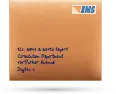
Your order is securely packed and usually dispatched within 24 hours. Here is what a typical parcel looks like.
It is about the size of a regular letter (24x11x0.7 cm) and does not show any details of what is inside.


| Delivery Method | Estimated delivery |
|---|---|
| Express Free for orders over £226.60 | Estimated delivery to the UK: 4-7 days |
| Standard Free for orders over £151.07 | Estimated delivery to the UK: 14-21 days |












| Country | Brand Names |
|---|---|
| United Kingdom | Glucophage |
Glycomet is a branded metformin medicine within a treatment pathway already familiar to many people with type 2 diabetes in the United Kingdom. Metformin is commonly used in NHS care when changes to diet and physical activity do not provide adequate blood glucose control. People moving between GP surgeries, community chemists, and online services may encounter different metformin brands, so it is important to check the name, strength, formulation, and directions on every supplied pack rather than assuming that all products are interchangeable in every detail.
Glycomet tablets should be taken consistently and exactly as directed for the supplied product. Metformin treatment often begins at a low dose that is increased gradually, helping to reduce early digestive side effects while the body adjusts. If more than one daily dose is advised, the doses are commonly divided across the day and linked to meals. A fixed habit, such as taking each dose with a regular meal, can make long-term treatment easier to remember.
Do not double a dose to compensate for a forgotten tablet. The appropriate response to a missed dose should follow the patient information leaflet or advice from a pharmacist or prescriber. Because metformin is intended for ongoing blood glucose management rather than immediate correction of a high reading, taking extra tablets is not an appropriate substitute for medical advice.
There is no single schedule that suits everyone. Some metformin tablet regimens involve one daily dose, while others use two or three divided doses. The correct timing depends on the prescribed regimen and the exact formulation. Many people find breakfast and the evening meal useful reminders, while a midday dose can be linked to lunch when required. Regular timing supports adherence, but the directions on the label and leaflet take priority over a preferred routine.
Metformin tablets are generally taken with or just after food because this can reduce nausea, stomach discomfort, and diarrhoea. In an everyday UK routine, that may mean taking a dose with breakfast, a midday sandwich or hot lunch, or the evening meal. The particular food is less important than following the dosing directions and using a meal pattern that can be maintained consistently.
Tea and coffee do not usually need to be avoided. Alcohol requires more care: heavy drinking, especially alongside fasting, dehydration, liver problems, or poor kidney function, can increase the risk of the rare but serious complication lactic acidosis. Anyone uncertain about a safe level of alcohol should ask a pharmacist, diabetes nurse, or prescriber for advice based on their health and other medicines.
Metformin on its own does not usually cause hypoglycaemia and is not expected to impair driving. When it is combined with insulin or a sulfonylurea, however, blood glucose can fall too low and affect concentration, reaction time, and the ability to drive or operate machinery. People using such combinations should know the warning signs of low blood glucose and follow their care team's instructions.
Vomiting, diarrhoea, fever, or another illness that causes dehydration can increase the risk of metformin accumulating, particularly when kidney function is reduced. Prompt advice from a healthcare professional may be needed about temporarily pausing treatment. Metformin may also need to be withheld around some procedures involving iodinated contrast media. The hospital or imaging team should always be told that metformin is being taken.
Discussions on Patient.info forums, HealthUnlocked communities, and diabetes-focused UK patient platforms often centre on practical concerns such as early digestive effects, remembering several daily doses, and fitting tablets around work or family meals. These discussions can provide useful peer support, but individual responses vary and forum comments cannot determine whether a dose or formulation is suitable for another person.
A commonly described adjustment pattern is that stomach or bowel effects are most noticeable near the start of treatment and may become easier to manage when tablets are taken with food and the dose is increased slowly. Persistent, severe, or worsening symptoms should not simply be accepted as normal; a pharmacist or prescriber can review the regimen and consider whether another metformin formulation or treatment approach is more suitable.
Nausea, abdominal discomfort, reduced appetite, and diarrhoea are among the most common early difficulties. Remembering divided doses can also be challenging during weekends, shift work, or travel. A labelled medicine organiser or a phone reminder may help, provided tablets remain protected from moisture and the organiser is suitable for medicine storage.
Kidney function must be checked before treatment and then monitored periodically, at least annually in many adults and more frequently when kidney function is reduced or deterioration is more likely. Long-term metformin use can also lower vitamin B12 levels. Symptoms such as unusual tiredness, a sore red tongue, pins and needles, or pale skin warrant medical advice, particularly when other risk factors for vitamin B12 deficiency are present.
Metformin medicines are supplied through NHS prescriptions, private prescriptions, community pharmacy channels, and appropriately registered online pharmacy services. Familiar providers include Boots Pharmacy, Well Pharmacy, and independent community chemists, but the availability of the Glycomet brand and particular strengths must be checked directly rather than assumed. A pharmacy may supply a different authorised metformin product when clinically and legally appropriate.
Customers who choose to buy Glycomet from us can select from the catalogue strengths and pack quantities shown for this product. This private route should remain separate from NHS prescribing and monitoring. It does not replace kidney checks, diabetes reviews, or advice about dose changes.
Online pharmacy services are a familiar access channel for people who value home delivery, remote support, and the ability to review available pack options without travelling to a high-street chemist. They may be particularly practical for people in rural, coastal, or island communities, although delivery estimates can still vary by destination.
Convenience does not remove the need to verify who is supplying a medicine. UK customers can check whether a pharmacy service falls within the relevant regulatory framework, including the General Pharmaceutical Council where applicable. Product identity, licensing details, monitoring requirements, and interactions remain important regardless of whether access is arranged online or through a local pharmacy.
Metformin may be supplied on an NHS prescription for type 2 diabetes. Prescription-charge arrangements differ across the four UK nations: charges generally apply in England unless the patient is exempt, while NHS prescriptions are free in Scotland, Wales, and Northern Ireland. These are general national arrangements and do not establish the eligibility, price, or reimbursement position of a particular Glycomet pack.
Private access sits alongside NHS care rather than replacing it. It may provide different choices of brand, pack quantity, or delivery method, while NHS prescribing remains an important route for continuing diabetes treatment and clinical monitoring. People changing between metformin products should check the formulation and dosing instructions carefully.
Glycomet contains metformin. It lowers blood glucose mainly by reducing glucose production in the liver and improving the body's response to insulin. It does not directly stimulate the pancreas to release more insulin, which helps explain why metformin alone has a low risk of causing hypoglycaemia. Its effect develops gradually and supports longer-term blood glucose control alongside appropriate diet, physical activity, and monitoring.
Oral metformin tablets are established for treating type 2 diabetes in adults when diet and exercise alone do not provide adequate control. They may be used alone or with other glucose-lowering medicines, including insulin. NICE guidance commonly places metformin early in the type 2 diabetes treatment pathway, while the choice of additional therapy depends on factors such as heart disease, kidney health, weight, hypoglycaemia risk, and individual treatment goals.
Metformin is also used for type 2 diabetes in children aged 10 years and over, with age-appropriate dosing and monitoring; evidence is more limited in children aged 10 to 12 years. In the UK it may be used under specialist supervision during pregnancy for pre-existing type 2 diabetes or gestational diabetes. The exact licence and directions can differ between products, so the leaflet for the supplied medicine must be checked.
Food generally improves digestive tolerance rather than reducing metformin's intended effect. Heavy or binge drinking should be avoided because it can increase the risk of lactic acidosis, especially during fasting, dehydration, or illness. Moderate alcohol may still be unsuitable for some people because of liver disease, poor kidney function, pregnancy, or interactions with other treatment.
Diuretics and some medicines used for blood pressure or inflammation can affect kidney function or hydration. Corticosteroids may raise blood glucose, while iodinated contrast media used for some scans can require metformin to be paused. Anyone starting, stopping, or changing a prescription medicine, non-prescription medicine, or supplement should tell the pharmacist or prescriber that they take metformin.
Current UK practice continues to recognise metformin as an established first-line option while increasingly tailoring additional treatment to a person's heart, kidney, weight, and blood glucose priorities. Combination treatment is common when metformin alone no longer meets the agreed target, but additional medicines should be chosen through an individual clinical review rather than a fixed sequence that applies to everyone.
Vitamin B12 reduction is an important long-term safety consideration. Periodic monitoring may be appropriate for people with symptoms or risk factors, and a confirmed deficiency can usually be treated without automatically stopping metformin. Kidney monitoring and temporary sick-day advice also remain central to safe use.
When a metformin product is unsuitable or does not provide sufficient control, the alternatives depend on the reason for changing treatment. Metformin tablets and Glucophage are other metformin-based catalogue options, although their precise formulations and directions should be checked. Medicines with a different mechanism include Empagliflozin and Januvia.
Switching brands, formulations, or medicine classes should be based on clinical advice. A different tablet may have different directions even when it contains the same active ingredient.
Oral metformin tablets are prescription-only medicines in the United Kingdom. Our checkout does not require customers to submit a prescription, but that store requirement does not change the medicine's UK legal classification. The supplied product information does not identify a UK marketing-authorisation number or holder for Glycomet 250 mg or 500 mg tablets. The exact brand, strength, manufacturer, and authorisation status should therefore be verified in the MHRA Products database before supply.
The patient information leaflet and summary of product characteristics for the exact supplied product should be used because formulations, excipients, licence holders, and directions may differ. Suspected side effects can be reported through the MHRA Yellow Card scheme.
Store Glycomet tablets at 20°C to 25°C in a tightly closed container, protected from light and moisture. Brief excursions between 15°C and 30°C are permitted. Do not create a different storage range for convenience, and retain the original pack and leaflet where possible.
Cool, damp UK conditions can make moisture protection as important as temperature. Bathroom cabinets and areas near kettles or sinks may become humid and are best avoided. During a summer heatwave, keep the container away from direct sunlight, parked vehicles, radiators, and conservatories. If tablets have been exposed to conditions outside the permitted range or appear damaged, ask a pharmacist before using them.
We offer tracked Express delivery with an estimated arrival time of 4 to 7 days and untracked Standard delivery with an estimated arrival time of 14 to 21 days. Standard delivery is free over £200, while Express delivery is free over £300. These are estimates rather than guarantees, and destinations in rural or island communities may experience variation.
Glycomet delivery estimates to the United Kingdom
City Express Standard Birmingham ≈ 4 days ≈ 20 days Manchester ≈ 7 days ≈ 19 days Coventry ≈ 7 days ≈ 19 days Edinburgh ≈ 4 days ≈ 17 days London ≈ 5 days ≈ 16 days
Glycomet is an oral metformin tablet option for type 2 diabetes, but safe use depends on confirming the exact product, following its dosing directions, taking it with food where advised, and maintaining appropriate kidney and blood glucose monitoring. UK prescription status, NHS access, private access, and our checkout process are distinct considerations. Consistent use, attention to dehydration and digestive effects, and careful storage away from moisture and excessive heat all support responsible long-term treatment.

I live in Leeds. Can I check whether Glycomet can be delivered to my postcode before placing an order?
Yes. Enter your Leeds delivery address at checkout to see whether Glycomet is available for your postcode before you complete the order.
My Glycomet order has been dispatched to Reading. Does that mean it should arrive tomorrow?
Not necessarily. Dispatch means the parcel has left for delivery; Express delivery usually takes about 4-7 days and Standard delivery about 14-21 days. The delivery estimate depends on the service selected.
I have been taking Glucophage in the United Kingdom. Can I change to Glycomet instead?
Check that the label or prescription matches the active ingredient, metformin, the same strength and the same tablet dosage form before considering a change. Manufacturers, tablet appearance, packaging and inactive ingredients may differ, so ask your prescriber or pharmacist to confirm a switch if any of these details do not match.
I have just had a positive pregnancy test and take Glycomet for type 2 diabetes. Should I stop taking it straight away?
Do not stop or change diabetes treatment on your own, as high blood glucose can also pose risks in pregnancy. Metformin may be used during pregnancy in the UK under specialist supervision, but your diabetes team should promptly review whether to continue it, adjust treatment or add insulin.
| Active ingredient | Metformin |
|---|---|
| Drug class | Biguanide antidiabetic |
| Dosage form | Tablet |
| Available strengths | 250 mg, 500 mg |
| Route | Oral |
| Storage | Store the tablets at 20°C to 25°C in a tightly closed container, protected from light and moisture; brief excursions between 15°C and 30°C are permitted. |
| ATC code | A10BA02 |
This product has 25 ratings, but only 6 written reviews so far. Share your experience and help other customers.
No problems at all.
Ordered metformin. It arrived within the expected delivery period.
A postcode typo was corrected after I placed the order, before dispatch.
I'm pleased with this generic.
I'm happy with the quality.
Support clearly explained how order-status updates work when I asked.