This tool only estimates pack size from the values you enter.
×
You need: 21 tabsRecommended packs: 1 x 30 = 30 tabs
Manufacturers
Boehringer Ingelheim Pharma GmbH & Co. KG
Payment & Delivery
Package Example
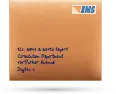
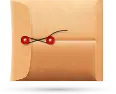
Your order is securely packed and usually dispatched within 24 hours. Here is what a typical parcel looks like.
It is about the size of a regular letter (24x11x0.7 cm) and does not show any details of what is inside.
Front View
Side View
Back View
Delivery Times
Delivery Method
Estimated delivery
Express Free for orders over £226.12
Estimated delivery to the UK: 4-7 days
Standard Free for orders over £150.75
Estimated delivery to the UK: 14-21 days
Payment Methods
Discount Coupons
New Year's Day - 1 January 2026 9%NEWYEAR9
Valentine's Day - 14 February 2026 6%VALENTINE6
St David's Day - 1 March 2026 4%DAVID4
St Patrick's Day - 17 March 2026 5%PATRICK5
St George's Day - 23 April 2026 4%GEORGE4
May Day - 1 May 2026 5%MAYDAY5
Halloween - 31 October 2026 6%HALLOWEEN6
Guy Fawkes Night - 5 November 2026 5%GUY5
Christmas Eve - 24 December 2026 9%XMASEVE9
Christmas Day - 25 December 2026 10%XMAS10
Boxing Day - 26 December 2026 10%BOXING10
New Year's Eve - 31 December 2026 8%NYE8
Brand Names
Also known as (by country):
Country
Brand Names
United Kingdom
Jardiance
FAQ
Empagliflozin is a prescription-only medicine in the United Kingdom, so a prescription is required when buying it from a local pharmacy. Our store policy allows you to order empagliflozin without a prescription and have it sent by mail.
Yes. Tell the surgeon, dentist, anaesthetist or other treating clinician that you take empagliflozin. SGLT2 inhibitors may need to be temporarily withheld around major surgery, prolonged fasting or acute illness because these situations can raise the risk of diabetic ketoacidosis; the clinician managing the procedure should give the timing instructions.
They may not be the same. Products with empagliflozin can differ in their fillers, coating ingredients and colourings, and the exact inactive ingredients of the supplied tablets should be checked on the received package or leaflet. This matters if you have a known allergy or intolerance to a particular ingredient.
Empagliflozin tablets are taken by mouth once daily, with or without food, preferably at about the same time each day. Swallow the tablet with water. For type 2 diabetes, 10 mg once daily is a common starting dose and some adults may be prescribed 25 mg once daily; the appropriate strength depends on the indication, kidney function and the rest of the treatment plan.
Description
Empagliflozin in the UK: A Familiar Name in Diabetes Care
Many people in the UK will recognise Empagliflozin under the brand name Jardiance, which is used in diabetes, heart, and kidney care. NHS prescribing, local formulary decisions, and prescription-charge arrangements differ across England, Scotland, Wales, and Northern Ireland, so access routes can vary according to where a patient lives. People in large cities may have several pharmacy channels nearby, while those in smaller towns, rural areas, coastal communities, or islands may have fewer convenient options. This local context helps explain why the same medicine may appear under a branded name in one setting and a generic listing in another.
Everyday Use and Best Practices
Empagliflozin tablets are generally taken once a day as part of a broader type 2 diabetes management plan that may also include diet, physical activity, and other medicines. Consistency matters more than exact timing, so choosing a time that fits naturally into a daily routine is often helpful.
Take the tablet at roughly the same time each day to establish a steady habit.
Swallow it whole with water rather than crushing or chewing it.
Continue other prescribed diabetes medicines unless a clinician advises otherwise.
Attend regular reviews so kidney function, fluid balance, and blood glucose control can be monitored where appropriate.
Morning Routine or Evening Dose?
Many people find it convenient to take Empagliflozin in the morning alongside other daily tablets. Taking it earlier may also make any increase in urination less likely to disturb sleep. An evening dose may suit some working patterns, provided the medicine is taken consistently and in accordance with the prescriber's directions.
Taking Empagliflozin With or Without Meals
Empagliflozin can be taken with or without food, so it does not need to be timed strictly around breakfast, dinner, or another meal. For many people managing type 2 diabetes in the UK, linking the tablet to a familiar daily cue, such as the first cup of tea in the morning or an evening meal, can make it easier to remember. Ordinary meals do not need to be avoided because of this medicine, although a balanced diet remains an important part of diabetes care.
Safety Priorities and Everyday Activities
Empagliflozin has only a minor influence on the ability to drive or use machinery on its own. However, hypoglycaemia becomes more likely when it is combined with insulin or a sulphonylurea, so extra care is sensible in those situations.
Stay well hydrated, particularly during hot weather, illness, or increased physical activity, because fluid loss can increase.
Watch for symptoms of low blood sugar when using insulin or a sulphonylurea alongside Empagliflozin.
Seek prompt medical advice for unusual tiredness, nausea, vomiting, abdominal pain, rapid breathing, or confusion, as these can be signs of diabetic ketoacidosis even when blood glucose is not markedly high.
Ask a pharmacist or clinician for advice if symptoms of genital thrush or a urinary tract infection develop.
Regional Patient Perspective and Common Challenges
UK discussions on platforms such as Patient.info and HealthUnlocked commonly focus on practical aspects of treatment, including increased urination, hydration, genital irritation, and fitting another daily tablet into an established routine. These discussions can help people identify useful questions for a GP, diabetes nurse, or pharmacist, but individual posts do not establish how well the medicine will work for another person.
Common Challenges Discussed Locally
Recurring practical concerns include remembering to drink enough during illness or warmer weather, recognising possible genital or urinary infections, and coordinating Empagliflozin with other diabetes medicines after a review at a GP surgery or diabetes clinic. Shift work and limited access to toilets can also make dose timing worth discussing with a clinician.
Local Pharmacy Access and Cost Landscape
When prescribed, Empagliflozin may be dispensed through community pharmacy channels such as Boots Pharmacy, Well Pharmacy, Superdrug Pharmacy, Rowlands Pharmacy, and independent community chemists. Private prescriptions and NHS prescriptions are distinct routes, and costs depend on the route used, the applicable arrangements in the relevant UK nation, and the dispensing provider. The presence of a pharmacy name here does not indicate current branch stock.
Online Pharmacy Trends in the United Kingdom
Online pharmacy services provide another practical channel for people managing long-term conditions, particularly those balancing work, caring responsibilities, mobility limitations, or distance from a community chemist. GPhC-registered online pharmacies can make medicine management more convenient, but their role remains distinct from clinical prescribing and monitoring. Patients should verify the pharmacy's registration and understand whether they are using an NHS service, a private prescribing service, or a separate dispensing channel.
NHS Prescriptions and Private Access
Many patients receive Empagliflozin through the NHS. Prescription-charge arrangements differ across England, Scotland, Wales, and Northern Ireland, and local prescribing decisions may also reflect national and regional guidance. A private prescription is a separate route with costs set by the relevant prescriber and pharmacy; it does not guarantee quicker supply. Current eligibility, formulary decisions, and charges should be checked with the appropriate health service, prescriber, or pharmacist.
How Empagliflozin Works
Empagliflozin blocks a protein in the kidneys called sodium-glucose cotransporter 2, usually abbreviated to SGLT2. This protein normally reabsorbs glucose into the bloodstream. By reducing that reabsorption, Empagliflozin causes more glucose to pass into the urine and helps lower blood glucose levels. This kidney-based action differs from that of medicines which act mainly on insulin production or insulin sensitivity, so Empagliflozin may be used alongside treatments such as Metformin.
Approved and Regional Clinical Uses
Empagliflozin is authorised for specified uses in adults with type 2 diabetes mellitus, heart failure, or chronic kidney disease. The appropriate use depends on the patient's diagnosis, kidney function, other medicines, and wider clinical circumstances. UK practice is informed by authorised product information and guidance from organisations such as the National Institute for Health and Care Excellence (NICE), but treatment decisions remain individual.
Food, Drink, and Medicine Interactions
Empagliflozin does not have major food restrictions, but several practical interactions matter. Alcohol can affect blood glucose control and may contribute to dehydration or increase the risk of ketoacidosis in susceptible situations, so moderation is sensible. Diuretics can add to fluid loss and low blood pressure, while insulin and sulphonylureas can increase the chance of hypoglycaemia when used with Empagliflozin. A GP, diabetes nurse, or pharmacist should review treatment when relevant medicines change.
Recent Evidence and UK Clinical Context
Evidence for SGLT2 inhibitors has broadened clinical understanding of their benefits beyond blood glucose reduction. Empagliflozin now has authorised roles in defined heart failure and chronic kidney disease populations as well as type 2 diabetes. NHS medicine information explains these uses alongside practical guidance on taking the tablets, side effects, and situations that require medical advice.
Regional Alternatives and Treatment Choice
Other SGLT2 inhibitors and medicines from different diabetes-treatment classes are used in the UK. A clinician will usually consider the diagnosis, kidney function, cardiovascular health, risk of side effects, and existing medicines before recommending an addition or change.
Option
Typical role
Practical note
Empagliflozin
SGLT2 inhibitor with authorised uses in type 2 diabetes, heart failure, and chronic kidney disease
Once-daily oral tablet
Dapagliflozin
Alternative SGLT2 inhibitor with uses that depend on the patient's condition
Selection depends on clinical suitability
Canagliflozin
Alternative SGLT2 inhibitor used in type 2 diabetes
Kidney function and other risks require consideration
Empagliflozin is a prescription-only medicine (POM) in the United Kingdom. Products containing it are regulated by the Medicines and Healthcare products Regulatory Agency (MHRA), while registered pharmacies operate under the oversight of the General Pharmaceutical Council (GPhC). Suspected side effects can be reported through the MHRA Yellow Card Scheme, and NHS resources provide general patient information. This legal classification is separate from our checkout requirement: our service does not ask you to upload a prescription before checkout.
Storage in UK Household Conditions
Empagliflozin tablets should be stored at 25°C, with excursions permitted from 15°C to 30°C. Keep them in a dry place away from excessive heat and moisture. In the UK's generally cool, damp climate, avoid bathrooms, cupboards affected by steam, shelves near a kettle, and unshaded windowsills. During a summer heatwave, choose a dry indoor cupboard that remains within the permitted range and keep the tablets in their original packaging.
Delivery Across the UK
If you order Empagliflozin from us for a UK destination, the available delivery method and final terms are confirmed at checkout. Access can differ between major cities, smaller towns, rural areas, coastal communities, and islands, so all arrival periods should be treated as estimates rather than guarantees.
Approximate UK shipping times by city
City
Express
Standard
London
≈ 5 days
≈ 16 days
Nottingham
≈ 4 days
≈ 17 days
Leicester
≈ 4 days
≈ 21 days
Birmingham
≈ 4 days
≈ 20 days
Southampton
≈ 4 days
≈ 17 days
These estimates are based on our experience with previous deliveries and are not guaranteed delivery dates.
Express delivery includes tracking and is estimated to take 4 to 7 days. Standard delivery is untracked and is estimated to take 14 to 21 days. Free Standard delivery applies when the qualifying basket value exceeds £200, while free Express delivery applies when it exceeds £300.
Empagliflozin: A Regional Summary
Empagliflozin is an established medicine in UK care for suitable adults with type 2 diabetes, heart failure, or chronic kidney disease. NHS and private routes, community chemists, and registered online pharmacy services serve different practical needs across the four UK nations. Consistent daily use, attention to hydration and infection symptoms, and appropriate clinical monitoring can help patients use this medicine safely as part of a wider treatment plan.
Endocrinologist and diabetologist (children and adults)
Updated 11 August 2026
Customer questions
Q
Asked by Aoife Murray, Belfast, United Kingdom
I live in Belfast. Can I check whether empagliflozin can be delivered to my address before I pay?
A
Answered by Support team
Yes. Enter your Belfast delivery address at checkout and the available destination options will be shown before payment. This is the best way to confirm whether delivery to your address is currently available.
Q
Asked by Daniel Carter, Plymouth, United Kingdom
I'm in Plymouth and do not want to place an order if my postcode is not covered. Where can I check?
A
Answered by Support team
Please enter your Plymouth postcode and address at checkout. The checkout will show the delivery destinations available for that address before you complete the order.
Q
Asked by Harriet Collins, Bristol, United Kingdom
I'm having the tablets delivered to Bristol. Are empagliflozin tablets suitable for ordinary postal transport?
A
Answered by Support team
As solid oral tablets, empagliflozin can normally be transported by post when appropriately protected from crushing and moisture. Store them at 25°C, with permitted excursions from 15°C to 30°C, and check the package, tablets and expiry date on arrival; do not use tablets that are wet, crumbled or otherwise damaged.
Q
Asked by Priya Shah, Coventry, United Kingdom
I take empagliflozin for type 2 diabetes and have been vomiting with stomach pain today, although my glucose reading is not especially high. Could this be related?
It could be important: empagliflozin can rarely be associated with diabetic ketoacidosis even when blood glucose is not markedly raised. Vomiting, abdominal pain, unusual tiredness or rapid breathing need urgent medical assessment; sick-day guidance commonly advises temporarily withholding SGLT2 inhibitors during acute illness, but your clinician should confirm when it is safe to restart.
Product specifications
Active ingredient
Empagliflozin
Drug class
SGLT2 inhibitor
Dosage form
Tablet
Available strengths
10 mg, 25 mg
Route
Oral
Storage
Store at 25°C; excursions permitted from 15°C to 30°C. Keep in a dry place, away from excessive heat and moisture.
ATC code
A10BK03
Regulatory information
Licensing StatusEmpagliflozin is fully authorised for human medicinal use within the United Kingdom.
Prescription RequirementEmpagliflozin is classified as a prescription-only medicine and requires a valid prescription from a qualified healthcare professional.