What Is Nocdurna (Desmopressin)?
Nocdurna, or desmopressin, is a medication primarily used to treat nocturia, a condition characterized by excessive urination during the night. It belongs to the class of drugs known as vasopressin analogs. Desmopressin works by reducing the amount of urine produced by the kidneys, thereby helping to alleviate the frequency of nighttime urination. It is often prescribed for adults who wake up at least two times per night to urinate. While generally considered safe and effective, it is essential for individuals using Nocdurna to follow their healthcare provider's instructions closely, as improper use or dosage may lead to electrolyte imbalances. As with any medication, potential side effects and interactions with other drugs should be discussed with a healthcare professional.
NDC Code: 55566-5050-1, 55566-5070-1, 54436-325, 55566-5050-0, 55566-5070-0.
Ingredients
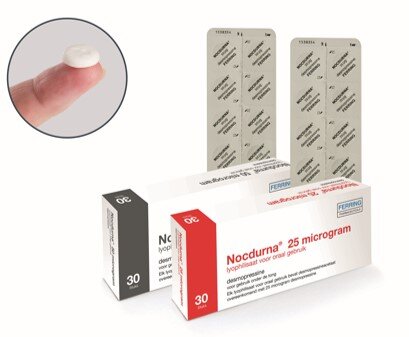
Nocdurna (Desmopressin) is available in different formulations, including tablets and nasal sprays. The active ingredient in Nocdurna is desmopressin acetate. In addition to the active ingredient, the tablets may contain various excipients, such as lactose monohydrate, microcrystalline cellulose, hydroxypropyl cellulose, calcium stearate, and other ingredients to form the tablet.
It's important to note that the specific inactive ingredients can vary depending on the formulation and manufacturer. If you have specific concerns about allergies or intolerances to certain ingredients, it's recommended to consult the product's package insert or your healthcare provider for detailed information on the composition of the particular Nocdurna product you are using.
Who Can Take Nocdurna (Desmopressin)
Nocdurna (Desmopressin) is typically prescribed for adults who experience nocturia, a condition characterized by frequent nighttime urination. It is commonly used in individuals who wake up at least two times per night to urinate and can be particularly helpful for those with conditions such as nocturnal polyuria, where the body produces an excessive amount of urine during the night.
However, it's crucial to note that the suitability of Nocdurna depends on an individual's overall health, medical history, and existing conditions. Certain individuals, such as those with kidney problems or a history of hyponatremia (low blood sodium levels), may need to avoid desmopressin due to potential complications.
As with any medication, it's essential to consult a healthcare professional who can assess your health situation and determine whether Nocdurna is a suitable and safe option for you. Before recommending them, they will consider factors such as your medical history, current medications, and any existing health conditions.
Dosage Sizes
The dosage of Nocdurna (Desmopressin) can vary depending on the individual's specific condition and the form of the medication (tablet or nasal spray). Healthcare providers usually determine dosages based on factors such as the severity of nocturia and the patient's response to the medication.
For the tablet form, typical starting doses for adults range from 25 to 75 micrograms taken orally once daily, usually before bedtime. The healthcare provider may adjust the dosage based on the patient's response and needs.
The nasal spray form is also available, and the dosage is measured in micrograms per spray. Again, the healthcare provider will determine the specific dosage based on the individual's condition.
As dosages vary, you must consult a healthcare professional who can provide personalized guidance based on your specific health situation and needs.
Important Safety Information
Nocdurna can lead to low sodium levels in the blood (hyponatremia), especially in older adults. This can cause symptoms like headache, nausea, seizures, and, in severe cases, coma. It's essential to report any signs of hyponatremia to your healthcare provider promptly.
Avoid excessive fluid intake while taking Nocdurna, as it increases the risk of hyponatremia. Your healthcare provider will provide guidelines on appropriate fluid intake.
Inform your healthcare provider about your complete medical history, especially if you have kidney problems, a history of hyponatremia, or any other conditions that may affect the use of desmopressin.
Inform your healthcare provider about all medications, including over-the-counter drugs and supplements, as they may interact with Nocdurna. Certain medications, like diuretics, may increase the risk of hyponatremia.
Inform your healthcare provider if you are pregnant, planning to become pregnant, or breastfeeding, as the safety of Nocdurna in these situations may need special consideration.
Regular monitoring of sodium levels may be necessary, especially during the initial treatment phase.
Always follow your healthcare provider's advice and contact them if you experience unusual symptoms or side effects. This information is a general overview, and specific safety considerations may vary based on individual health circumstances.
Contraindications
Nocdurna (Desmopressin) may not be suitable for everyone, and there are specific contraindications that individuals should be aware of. Here are some contraindications for Nocdurna:
- Known Allergy or Hypersensitivity: Individuals with a known allergy or hypersensitivity to desmopressin or any of the components in the formulation should not use Nocdurna.
- Severe Hyponatremia: Nocdurna should not be used in individuals with known or suspected severe hyponatremia (low blood sodium levels).
- Uncontrolled Diabetes Insipidus: If you have uncontrolled diabetes insipidus (a condition characterized by excessive thirst and urination), Nocdurna may not be suitable.
- Kidney Impairment: Individuals with moderate to severe renal impairment should use Nocdurna with caution or may need dose adjustments. In some cases, it may be contraindicated.
- Certain Medical Conditions: Conditions such as cystic fibrosis, heart failure, and conditions that can lead to increased fluid intake should be considered, and Nocdurna may not be recommended in these cases.
Always consult your healthcare provider to determine if Nocdurna is appropriate for you, considering your health status and medical history. If you have any concerns or experience adverse effects, seek medical attention promptly. This information is a general overview, and specific contraindications may vary based on individual health circumstances.
Interactions
Nocdurna (Desmopressin) may interact with other medications and substances, potentially affecting its effectiveness or increasing the risk of side effects. Here are some interactions to be aware of:
- Diuretics: The use of Nocdurna with diuretics (medications that increase urine production) may increase the risk of hyponatremia (low blood sodium levels).
- Drugs Affecting Water Balance: Medications that affect water balance in the body, such as certain antidepressants or antipsychotics, may interact with Nocdurna and increase the risk of hyponatremia.
- NSAIDs (Nonsteroidal Anti-Inflammatory Drugs): NSAIDs, when taken concomitantly with Nocdurna, may increase the risk of hyponatremia. Monitor sodium levels closely if these medications are used together.
- Certain Antidepressants: Tricyclic antidepressants and selective serotonin reuptake inhibitors (SSRIs) may increase the antidiuretic effect of Nocdurna, potentially leading to hyponatremia.
- Other Medications: Inform your healthcare provider about all medications you take, including over-the-counter drugs and herbal supplements, as they may interact with Nocdurna.
Always communicate openly with your healthcare provider about your complete medication history to ensure the safe and effective use of Nocdurna. Your healthcare provider can provide personalized advice based on your specific health situation. If you experience any unusual symptoms or side effects, seek medical attention promptly.
Side Effects
Like any medication, Nocdurna (Desmopressin) may cause side effects. It's essential to be aware of these potential side effects and to seek medical attention if you experience any concerning symptoms. Common side effects may include headache, nausea, abdominal pain, and nasal congestion, especially when using the nasal spray formulation.
More severe side effects may include:
- Hyponatremia: Low blood sodium levels can lead to symptoms such as headache, nausea, seizures, and, in severe cases, coma. It's crucial to report any signs of hyponatremia to your healthcare provider.
- Water Intoxication: Excessive fluid intake while using Nocdurna can lead to water intoxication, especially in individuals with conditions that affect fluid balance. Symptoms may include nausea, headache, confusion, and seizures.
- Allergic Reactions: Although rare, some individuals may experience allergic reactions. Seek medical attention if you develop a rash, itching, swelling, severe dizziness, or difficulty breathing.
- Increased Blood Pressure: Desmopressin can cause a temporary increase in blood pressure. Individuals with pre-existing hypertension should be monitored closely.
It's important to follow your healthcare provider's instructions carefully and promptly report any unusual or severe side effects. This information provides a general overview, and specific side effects may vary based on individual health circumstances.
Overdose
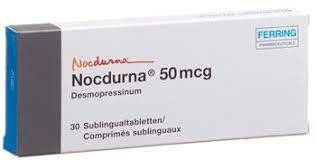
Overdosing on Nocdurna (Desmopressin) can lead to severe complications, and it's essential to seek emergency medical attention if an overdose is suspected. Symptoms of an overdose may include severe headache, nausea, vomiting, confusion, seizures, and, in extreme cases, coma.
The risks of overdose are higher when individuals exceed the prescribed dosage or when there are interactions with other medications that may increase the concentration of desmopressin in the body.
If you suspect an overdose or experience severe symptoms, contact emergency services or go to the nearest emergency room immediately. It's crucial to have the packaging or information about the medication on hand to provide necessary details to healthcare professionals.
In case of an overdose, supportive care will be administered, and treatment may involve measures to restore electrolyte balance and manage symptoms. Prevention of overdose is key, and individuals should strictly adhere to the prescribed dosage and inform healthcare providers of all medications being taken to avoid potential interactions.
Storage
Store Nocdurna at room temperature, away from excessive heat or cold. Avoid storing it in places prone to temperature extremes.
Keep the medication in its original packaging and protect it from moisture. Avoid storing it in bathrooms or other humid environments.
Protect Nocdurna from direct sunlight. Store it in a dark place or in its original packaging to prevent exposure to light.
Keep Nocdurna in its original, child-resistant container. Ensure that the container is tightly closed when not in use.
Store medications out of reach of children and pets to prevent accidental ingestion.
Always follow the specific storage instructions provided on the medication packaging or by your healthcare provider. If you have doubts about the storage of Nocdurna or any other medication, consult your pharmacist or healthcare professional for guidance. Additionally, check for the expiration date and discard any expired medication appropriately.
Drugs Similar to Nocdurna (Desmopressin)
Desmopressin is the active ingredient in Nocdurna, and it is also available in generic forms. Healthcare providers may prescribe generic versions of desmopressin as alternatives to brand-name Nocdurna. These generic formulations contain the same active ingredient but may be sold under different brand names. It's important to note that the availability of generic versions can vary by region and country.
Apart from desmopressin, other medications may be used to treat conditions such as nocturia or diabetes insipidus. These may include:
- Oxybutynin: Oxybutynin treats an overactive bladder and may help reduce urinary frequency, including nighttime urination.
- Tolterodine: Another medication used for overactive bladder, tolterodine can also be considered in managing urinary frequency.
- Mirabegron: Mirabegron is a beta-3 adrenergic agonist that treats overactive bladder and may help reduce urinary frequency.
It's essential to consult a healthcare professional to determine the most suitable medication based on individual health needs and conditions.