I live in Newry, Northern Ireland. Can I check whether this semaglutide pen can be delivered to my address before I pay?
Yes. Enter your Newry delivery address at checkout to see whether it is available for your postcode before completing the order.


| Quantity | Price per tablet | You save | Total price | |
|---|---|---|---|---|
| 1 | £56.22 | £0.43 | £56.22 | |
| 2 | £56.29 | £0.71 | £112.58 | |
| 3 | £56.64 | - | £169.93 |
| Quantity | Price per tablet | You save | Total price | |
|---|---|---|---|---|
| 1 | £72.08 | - | £72.08 | |
| 2 | £72.04 | £0.08 | £144.09 | |
| 3 | £71.88 | £0.60 | £215.64 |
| Quantity | Price per tablet | You save | Total price | |
|---|---|---|---|---|
| 1 | £83.72 | - | £83.72 | |
| 2 | £83.00 | £1.44 | £166.00 | |
| 3 | £83.27 | £1.36 | £249.80 |
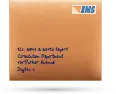
Your order is securely packed and usually dispatched within 24 hours. Here is what a typical parcel looks like.
It is about the size of a regular letter (24x11x0.7 cm) and does not show any details of what is inside.


| Delivery Method | Estimated delivery |
|---|---|
| Express Free for orders over £226.68 | Estimated delivery to the UK: 4-7 days |
| Standard Free for orders over £151.12 | Estimated delivery to the UK: 14-21 days |












Ozempic is a brand name for semaglutide, a medication used to treat type 2 diabetes. It belongs to a class of drugs called glucagon-like peptide-1 (GLP-1) receptor agonists. Ozempic works by mimicking the effects of the natural GLP-1 hormone, which helps regulate blood sugar levels. It stimulates insulin release, reduces the amount of glucose produced by the liver, and slows down digestion, leading to better blood sugar control. Ozempic is typically administered as a once-weekly 0.5 mg, 1 mg, or 2 mg injection and is often prescribed as part of a comprehensive diabetes management plan that includes diet and exercise.
NDC Code(s): 50090-5949, 50090-6051, 00169-4132, 00169-4136, 00169-4130, 00169-4772.
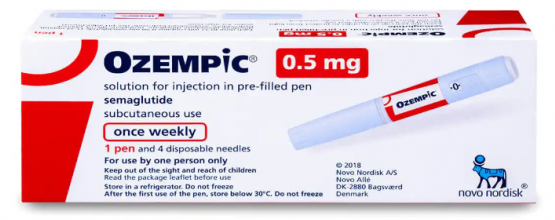
The active ingredient in Ozempic is semaglutide. Semaglutide is a glucagon-like peptide-1 (GLP-1) receptor agonist, a synthetic form of a naturally occurring hormone that helps regulate blood sugar levels. In addition to the active ingredient, the medication includes other components to form the injection solution, such as excipients, stabilizers, and buffers. These additional ingredients are necessary for the proper formulation and administration of the medication, ensuring its stability and effectiveness. The specific formulation and inactive ingredients may vary between pharmaceutical manufacturers producing semaglutide under various brand names.
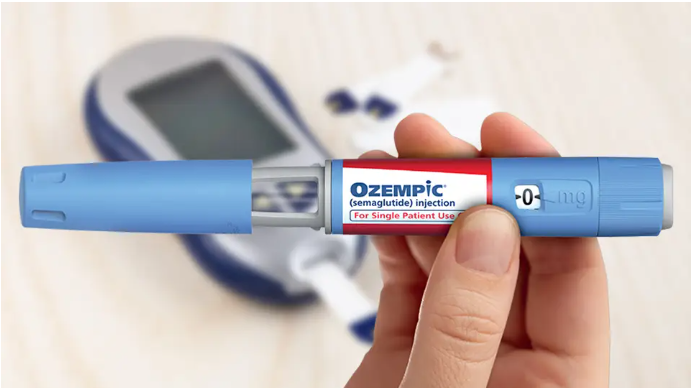
Ozempic is typically available as a 0.5 mg, 1 mg, or 2 mg solution for injection in pre-filled pens. These pens are designed to make it convenient for individuals with diabetes to self-administer the medication. The pre-filled pens contain a specific dose of Ozempic, and users can inject the medication subcutaneously (under the skin) once a week. The pen design often includes features like dose selection and injection mechanisms to make the administration process user-friendly. It's crucial for individuals prescribed Ozempic to follow their healthcare provider's instructions on proper injection techniques and dosage.
Ozempic is primarily used for the treatment of type 2 diabetes. It is prescribed to help lower and control blood sugar levels in adults with this condition.
Additionally, Ozempic may have other potential benefits, such as aiding in weight management, as some individuals may experience weight loss while using this medication. However, its primary indication remains the management of type 2 diabetes. As with any medication, it's crucial for individuals to use Ozempic as prescribed by their healthcare provider and to follow a comprehensive diabetes management plan, including lifestyle modifications such as a healthy diet and regular exercise.
The dosage of Ozempic (semaglutide) can vary based on individual factors, including the specific needs of the patient and their response to the medication. Generally, Ozempic is administered as a once-weekly injection.
The starting dose is often lower, and the healthcare provider may adjust the dose gradually to achieve optimal blood sugar control. The usual dose escalation is done stepwise to minimize the risk of side effects.
Individuals must carefully follow their healthcare provider's prescribed dosage and administration instructions. The medication is typically self-administered using pre-filled pens, and healthcare providers often provide guidance on the injection technique.
Using Ozempic (semaglutide) involves following specific steps to ensure proper administration. Here's a general guide, but it's crucial to consult the specific instructions provided by your healthcare provider or the medication's packaging:
Always follow the specific instructions your healthcare provider provides and refer to the patient information leaflet that comes with the medication. If you have any questions or concerns about using Ozempic, consult your healthcare provider or a pharmacist for guidance.
Taking Ozempic alongside certain other medications, especially those that increase insulin levels, may increase the risk of hypoglycemia (low blood sugar). It's essential to monitor blood sugar levels regularly and be aware of the symptoms of hypoglycemia, such as shakiness, sweating, confusion, and irritability.
There have been rare cases of pancreatitis reported with the use of Ozempic. Patients should be vigilant for signs and symptoms of pancreatitis, including persistent severe abdominal pain, sometimes radiating to the back, and should seek medical attention if such symptoms occur.
Studies in rodents have shown an increased risk of thyroid C-cell tumors with semaglutide, the active ingredient in Ozempic. It's unclear if the medication poses a similar risk in humans. Healthcare providers may evaluate patients for thyroid nodules or abnormalities in thyroid function.
Common side effects of Ozempic include nausea, vomiting, diarrhea, and abdominal pain. These side effects may decrease over time. If they persist or become severe, contact a healthcare provider.
Ozempic should be used with caution in individuals with renal impairment. Dose adjustments may be necessary based on kidney function.
Individuals who experience symptoms of a severe allergic reaction, such as swelling of the face, lips, tongue, or throat or difficulty breathing or swallowing, should seek immediate medical attention.
Individuals must inform their healthcare provider about their medical history, current medications, and any concerns or side effects experienced while taking Ozempic. This information helps healthcare providers make informed decisions about the appropriateness of the medication for each individual.
Yes, Ozempic is a prescription medication; you will need a prescription from a healthcare provider to purchase and use it. Since Ozempic is used to treat type 2 diabetes and has specific dosage considerations based on individual health conditions, a healthcare professional must assess your medical history and determine the appropriate dosage and treatment plan for you.
If you believe Ozempic may be a suitable treatment for your diabetes, schedule an appointment with your healthcare provider. They will evaluate your health, discuss your diabetes management goals, and determine if Ozempic is the right choice for you. Following a prescription ensures that you receive the proper guidance on usage, dosage adjustments, and monitoring, optimizing the effectiveness and safety of the medication for your specific needs.
Ozempic (semaglutide) has specific contraindications, meaning there are situations where the medication should not be used. Healthcare providers need to consider these contraindications before prescribing Ozempic. Some contraindications include:
It's essential to provide your healthcare provider with a comprehensive medical history, including information about any existing medical conditions, medications, and allergies, to ensure that Ozempic is a safe and appropriate treatment for you.
Ozempic (semaglutide) may interact with other medications, potentially affecting their effectiveness or increasing the risk of side effects. It's crucial to inform your healthcare provider about all the medications, supplements, and herbal products you are taking to ensure safe and effective treatment. Some potential interactions include:
This is not an exhaustive list; interactions can vary based on individual health factors. Always communicate openly with your healthcare provider, providing a complete list of all your medications and supplements.
Ozempic (semaglutide) may cause side effects, and it's essential to be aware of them.
It's essential to report any unusual or severe side effects to your healthcare provider promptly. Additionally, seek emergency medical attention if you experience symptoms of a severe allergic reaction, such as difficulty breathing or swelling of the face, lips, tongue, or throat.
Individuals using Ozempic should attend regular follow-up appointments with their healthcare provider to monitor and adjust their treatment plan if necessary.
In case of an overdose of Ozempic (semaglutide), it's essential to seek immediate medical attention. While specific information on the effects of an overdose may vary, excessive doses may increase the risk of hypoglycemia (low blood sugar) or other adverse reactions.
Symptoms of hypoglycemia can include shakiness, sweating, confusion, irritability, and, in severe cases, loss of consciousness. If you or someone else may have taken too much Ozempic, contacting emergency services or visiting the nearest emergency room is crucial.
Prompt medical intervention is essential to manage and treat any potential complications associated with an overdose. Healthcare providers will assess the situation, provide appropriate supportive care, and take measures to stabilize blood sugar levels.
To prevent the risk of overdose, it's vital for individuals to strictly adhere to their prescribed dosage and follow their healthcare provider's instructions.
Ozempic (semaglutide) should be stored according to the manufacturer's instructions and your healthcare provider's recommendations. Typically, Ozempic should be stored in the refrigerator at a temperature between 36°F to 46°F (2°C to 8°C). It's essential to keep it refrigerated to maintain its stability. Do not freeze Ozempic. Freezing can compromise the stability and effectiveness of the medication.
Keep the Ozempic pre-filled pen in its original carton to protect it from light. Exposure to light may also affect the medication's stability.
Check the expiration date on the packaging, and do not use Ozempic pens that have passed their expiration date.
Store Ozempic pens out of reach of children and pets.
Ozempic (semaglutide) belongs to a class of medications known as glucagon-like peptide-1 (GLP-1) receptor agonists. Several other GLP-1 receptor agonists are available, and they share similar mechanisms of action in managing type 2 diabetes. Some drugs similar to Ozempic include:
It's important to note that while these medications share similarities, there can be differences in their specific formulations, dosages, and administration schedules. The choice of which GLP-1 receptor agonist to prescribe depends on various factors, including individual patient needs, preferences, and the healthcare provider's assessment. Always consult your healthcare provider to determine the most suitable treatment for your situation.

I live in Newry, Northern Ireland. Can I check whether this semaglutide pen can be delivered to my address before I pay?
Yes. Enter your Newry delivery address at checkout to see whether it is available for your postcode before completing the order.
I'm in Manchester and want to make sure delivery is possible to my postcode before ordering. Where can I check?
Please enter your Manchester address at checkout. The available delivery destinations and options for your postcode will be shown there.
My order to Leeds has been marked as dispatched. Does that mean it should arrive tomorrow?
Not necessarily: dispatch means the parcel has left for delivery, not that it will arrive the next day. Express delivery is usually about 4-7 days and includes tracking, while standard delivery is usually about 14-21 days without tracking.
I'm often out at work in Reading. Could a semaglutide pen safely be left in a parcel locker until I collect it?
That depends on the locker's temperature and how long the pen would remain there, so it cannot be confirmed in advance. Before first use, keep the pen refrigerated at 2°C to 8°C; do not freeze it, and avoid leaving it where it may become overheated or exposed to light.
I use this weekly semaglutide pen and have a dental procedure with sedation coming up. Should I mention it to the dental team?
Yes. Tell the dentist and sedation team that you use weekly semaglutide, as it can slow stomach emptying and may affect fasting and anaesthesia planning. Follow their specific instructions; do not change or stop your dose on your own.
| Active ingredient | Semaglutide |
|---|---|
| Drug class | GLP-1 receptor agonist |
| Dosage form | Solution for injection in a pre-filled pen |
| Available strengths | 0.25 mg/0.5 mg (2 mg/3 mL); 1 mg (4 mg/3 mL); 2 mg (8 mg/3 mL) |
| Route of administration | Subcutaneous injection |
| Storage | Before first use, store in the refrigerator at 2°C to 8°C. After first use, store the pen for up to 56 days at room temperature (15°C to 30°C) or in the refrigerator at 2°C to 8°C. Do not freeze, and keep the pen cap on when not in use to protect it from light. |
| ATC code | A10BJ06 |
This product has 36 ratings, but only 4 written reviews so far. Share your experience and help other customers.
My Ozempic order was sent to Nottingham. It arrived within the expected delivery period.
Very pleased with the order.
Quick dispatch, as expected.
The parcel arrived in neutral outer packaging, with nothing on it advertising the contents - spot on.