What Is Nesina (Alogliptin)?
Nesina, or Alogliptin, is an oral medication used to treat type 2 diabetes. It belongs to a class of drugs known as dipeptidyl peptidase-4 (DPP-4) inhibitors. Alogliptin works by increasing the levels of incretin hormones in the body, which help regulate blood sugar levels by stimulating the release of insulin and reducing the amount of glucose produced by the liver.
Patients with type 2 diabetes often struggle to maintain normal blood sugar levels, and medications like Nesina can be a valuable addition to their treatment plan. It is typically prescribed in combination with diet and exercise to improve glycemic control. As with any medication, individuals need to follow their healthcare provider's guidance and monitor for potential side effects.
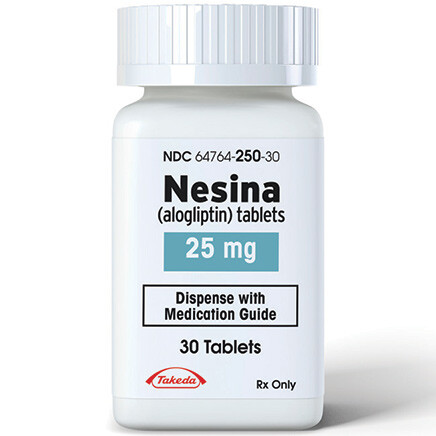
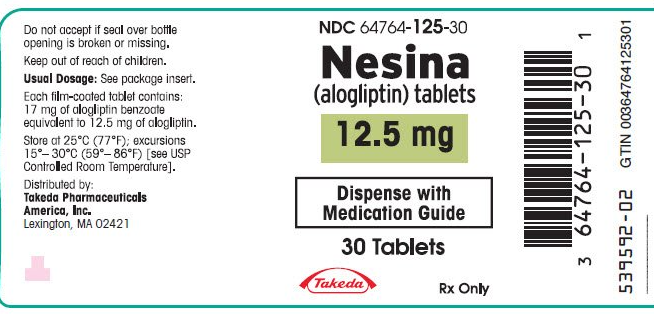
NDC codes: 64764-125-02, 64764-125-30, 64764-125-50, 64764-125-90, 64764-250-02, 64764-250-30, 64764-250-50, 64764-250-90, 64764-625-30, 64764-625-90.
Ingredients
Nesina (Alogliptin) primarily comprises the active pharmaceutical ingredient alogliptin benzoate. This compound is a dipeptidyl peptidase-4 (DPP-4) inhibitor, which helps regulate blood sugar levels in individuals with type 2 diabetes.
The inactive ingredients, or excipients, in Nesina, may vary depending on the specific formulation and manufacturer. These can include fillers, binders, preservatives, and coloring agents. Common excipients in oral medications like Nesina include microcrystalline cellulose, lactose monohydrate, croscarmellose sodium, magnesium stearate, and hypromellose.
It's crucial for individuals taking Nesina to consult their healthcare provider or refer to the medication's package insert for detailed information about the specific formulation and ingredients in the product they are using.
Who Can Take Nesina (Alogliptin)
Nesina (Alogliptin) is typically prescribed for individuals diagnosed with type 2 diabetes. It is suitable for adults who need help managing their blood sugar levels with diet and exercise. Your healthcare provider will determine if Nesina is an appropriate treatment for you based on factors such as your overall health, medical history, and any other medications you may be taking.
It's important to note that Nesina is not intended for the treatment of type 1 diabetes or diabetic ketoacidosis. Individuals with a history of hypersensitivity or allergic reactions to alogliptin or any of its components should avoid taking Nesina.
Always follow your healthcare provider's recommendations and inform them of any existing medical conditions, medications, or concerns you may have before starting any new medication, including Nesina. They can provide personalized guidance based on your individual health needs.
Dosage Sizes
The dosage of Nesina (Alogliptin) can vary based on individual patient needs and medical considerations. The recommended starting dose is 25 mg once daily, with or without food. Your healthcare provider may adjust the dosage based on your medication response, blood sugar levels, and other factors.
It's crucial to adhere to the prescribed dosage and follow your healthcare provider's instructions. They may also prescribe Nesina as part of combination therapy with other diabetes medications to achieve better glycemic control.
Never adjust your dosage without consulting your healthcare provider, and inform them of any side effects or concerns you may experience while taking Nesina. Regular monitoring of blood sugar levels and ongoing communication with your healthcare team are essential components of effective diabetes management.
Important Safety Information
Individuals who have a history of hypersensitivity or allergic reactions to alogliptin or any of its components should not take Nesina.
There have been rare reports of pancreatitis (inflammation of the pancreas) associated with the use of Nesina. Inform your healthcare provider if you experience persistent severe abdominal pain, as this could be a sign of pancreatitis.
Nesina should be used with caution in patients with a history of heart failure. Inform your healthcare provider if you experience shortness of breath, swelling, or sudden weight gain.
Some individuals may experience joint pain while taking Nesina. Consult your healthcare provider if you develop persistent, severe joint pain.
When used in combination with certain other diabetes medications, Nesina may increase the risk of hypoglycemia. Be aware of symptoms such as shakiness, sweating, and confusion, and promptly treat low blood sugar according to your healthcare provider's recommendations.
Always follow your healthcare provider's advice, attend regular check-ups, and promptly communicate any concerns or side effects. This information is a general overview, and specific safety considerations may vary.
Contraindications
Nesina (Alogliptin) has specific contraindications, and it should not be used in the following situations:
- Hypersensitivity: Individuals with a known hypersensitivity or allergic reaction to alogliptin or any the components in Nesina should avoid using this medication.
- Type 1 Diabetes: Nesina is not indicated for the treatment of type 1 diabetes, which is characterized by the inability of the pancreas to produce insulin. It is specifically approved for individuals with type 2 diabetes.
- Diabetic Ketoacidosis: Nesina is not suitable for the treatment of diabetic ketoacidosis, a severe condition that requires immediate medical attention.
Before starting any new medication, always inform your healthcare provider about your complete medical history, including any allergies or pre-existing conditions. This ensures that your healthcare team can make informed decisions about your treatment plan and choose the most appropriate options for your health.
Interactions
Nesina (Alogliptin) may interact with other medications or substances, potentially affecting its effectiveness or increasing the risk of side effects. You must inform your healthcare provider about all your medications, supplements, and herbal products. Some potential interactions may include:
- Insulin or Sulfonylureas: When Nesina is combined with insulin or sulfonylureas, there may be an increased risk of hypoglycemia (low blood sugar). Your healthcare provider will monitor and adjust your medications accordingly.
- Rifampin: Rifampin, an antibiotic, may decrease the effectiveness of Nesina. Your healthcare provider may need to adjust your Nesina dosage.
- Ketoconazole: Ketoconazole, an antifungal medication, may increase the concentration of Nesina in the body. Dosage adjustments may be necessary.
- Digoxin: Alogliptin may increase digoxin levels, a medication used for heart conditions. Monitoring is essential if these medications are used together.
This is not an exhaustive list, and individual interactions may vary. Always consult your healthcare provider or pharmacist to ensure the safe and effective use of Nesina, especially if you are considering any changes to your medication regimen.
Side Effects
Common side effects of Nesina (Alogliptin) may include:
- Upper respiratory tract infection: Symptoms may include nasal congestion, cough, and sore throat.
- Headache: Some individuals may experience mild to moderate headaches.
- Nasopharyngitis: Inflammation of the nasal passages may occur.
- Hypoglycemia: When used in combination with certain diabetes medications, Nesina may increase the risk of low blood sugar. Symptoms may include shakiness, sweating, and confusion.
- Pancreatitis: While rare, there have been reports of pancreatitis (inflammation of the pancreas) associated with using Nesina. Seek medical attention if you experience persistent severe abdominal pain.
It's important to note that individual responses to medication can vary, and not everyone will experience these side effects. If you notice any unusual or persistent symptoms while taking Nesina, it's essential to contact your healthcare provider. They can guide managing side effects and may adjust your treatment plan if necessary. Always follow your healthcare provider's instructions for the safe and effective use of Nesina.
Overdose
In case of a suspected overdose of Nesina (Alogliptin), it's crucial to seek immediate medical attention or contact your local poison control center. The symptoms of an overdose may include severe hypoglycemia (low blood sugar), which can lead to symptoms such as confusion, seizures, unconsciousness, and, in extreme cases, coma.
It's essential to take medications exactly as your healthcare provider prescribes and to inform them of any concerns or issues you may be experiencing. If you suspect an overdose, do not attempt to self-treat or manage the situation without professional medical guidance.
In addition to seeking emergency medical assistance, you can contact your healthcare provider or a poison control center for advice on what steps to take. Always keep your healthcare provider informed about your medication use and any potential issues, including concerns about overdose or side effects.
Storage
Store Nesina at room temperature, away from extreme heat or cold. Avoid exposing it to direct sunlight.
Keep the medication in a dry place. Avoid storing it in the bathroom, where moisture levels can be higher.
Keep Nesina in its original packaging or container. Use the provided packaging, such as blister packs or bottles, to protect the medication from environmental factors.
If you have children at home, make sure to store medications in a childproof container and keep them out of reach to prevent accidental ingestion.
Always check the specific storage instructions provided with your medication or consult your pharmacist for guidance. If you have any doubts about the storage of Nesina, reach out to your healthcare provider or pharmacist for clarification.
Drugs Similar to Nesina (Alogliptin)
Alogliptin, the active ingredient in Nesina, belongs to the dipeptidyl peptidase-4 (DPP-4) inhibitors class. Several other medications in the same class are used to treat type 2 diabetes. Some examples include:
- Sitagliptin (Januvia): Like alogliptin, sitagliptin is a DPP-4 inhibitor. It works by increasing incretin levels to help regulate blood sugar.
- Saxagliptin (Onglyza): Saxagliptin is another DPP-4 inhibitor used to improve glycemic control in adults with type 2 diabetes.
- Linagliptin (Tradjenta): Linagliptin is also a DPP-4 inhibitor prescribed to help lower blood sugar levels in individuals with type 2 diabetes.
It's important to note that while these medications share a similar mechanism of action, there can be differences in dosing, side effects, and specific patient considerations. The choice of medication depends on various factors, including individual health status and treatment goals. Always consult your healthcare provider to determine the most suitable medication for your needs.
How can I get Nesina?
You can buy Nesina in online pharmacies.
Delivery
USA, Great Britain (UK), Belgium, Italy, Japan, Argentina, Guam, Canada, Mexico, Australia, New Zealand and etc.