Hsquin is an oral hydroxychloroquine tablet available in 200 mg, 300 mg and 400 mg strengths, with packs of 60 or 90 tablets depending on the selected strength. It is used under medical direction for conditions including rheumatoid arthritis, lupus erythematosus and susceptible malaria. Hydroxychloroquine is a Schedule 4 prescription-only medicine in Australia. Plaquenil contains the same active ingredient, while chloroquine is a different 4-aminoquinoline medicine, so selection should follow the prescribed medicine, strength and treatment plan.
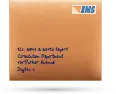
Your order is securely packed and usually dispatched within 24 hours. Here's what a typical parcel looks like.
It is about the size of a regular letter (24x11x0.7 cm) and does not show any details of what is inside.
Front View
Side View
Back View
Delivery Times
Delivery Method
Estimated delivery
Express Free for orders over A$427.90
Estimated delivery to Australia: 4-7 days
Standard Free for orders over A$285.27
Estimated delivery to Australia: 14-21 days
Payment Methods
Discount Coupons
Australia Day - 26 January 2026 10%AUSDAY10
Labour Day - 2 March 2026 6%LABOUR6
ANZAC Day - 25 April 2026 8%ANZAC8
King's Birthday - 8 June 2026 7%KING7
Boxing Day - 26 December 2026 12%BOXING12
Brand Names
Also known as (by country):
Country
Brand Names
Australia
Plaquenil
FAQ
Yes. Hydroxychloroquine is a Schedule 4 prescription-only medicine, so a prescription is required when buying it from an Australian pharmacy. Our store policy allows Hsquin hydroxychloroquine tablets to be ordered without a prescription and sent by mail; our store policy is separate from the Australian local pharmacy requirement.
Take the missed dose when you remember unless it is nearly time for the next dose; in that case, skip the missed dose and continue the usual schedule. Do not take two doses together or an extra dose. Hydroxychloroquine schedules differ between conditions, including daily and weekly regimens, so follow the directions for the prescribed indication.
Not necessarily. Hsquin tablets contain hydroxychloroquine as the active ingredient, but coatings, fillers, colours and other inactive ingredients can differ between products. The exact inactive ingredients for the supplied tablets should be checked on the received package or product information, particularly if there is an allergy or intolerance.
Hsquin hydroxychloroquine tablets are available in 200 mg, 300 mg and 400 mg strengths. The appropriate strength and number of tablets depend on the condition being treated and the prescribed dose.
During pregnancy, hydroxychloroquine requires an individual prescriber assessment because it crosses the placenta and the expected benefit must outweigh possible risks. Do not routinely stop it without medical advice, as stopping treatment for conditions such as lupus can lead to a flare. Hydroxychloroquine passes into breast milk in small amounts; breastfeeding use requires caution and medical oversight, with attention to the breastfed infant.
Take hydroxychloroquine tablets by mouth exactly as prescribed, preferably with a meal or a glass of milk to reduce stomach upset. Swallow the tablet with water and take it at the scheduled time for the prescribed regimen. The dose and frequency vary substantially between malaria prevention or treatment and long-term rheumatological conditions.
Description
What Distinguishes Hsquin From Other Hydroxychloroquine Tablets
Hsquin is an oral hydroxychloroquine tablet available from our catalogue in three strengths: 200 mg, 300 mg and 400 mg. This range gives a prescriber several whole-tablet options when selecting a regimen, although the prescribed daily dose may still require a particular schedule. Tablets should not be split or otherwise altered unless a doctor or pharmacist confirms that the specific tablet is suitable for doing so.
Hydroxychloroquine may be prescribed for rheumatoid arthritis, discoid or systemic lupus erythematosus and the treatment or prevention of susceptible malaria. The appropriate strength and schedule depend on the indication, actual body weight, other medicines and individual risk factors. Hsquin may suit someone whose prescription matches one of its available strengths and pack sizes, while a different hydroxychloroquine product or another medicine may be preferable when the prescription, regulatory status or clinical objective differs.
Hsquin Compared With Relevant Antimalarial and DMARD Options
People comparing Hsquin commonly encounter Plaquenil, chloroquine and methotrexate. These names are related in different ways, so they are not interchangeable choices. Plaquenil is a hydroxychloroquine brand and contains the same active ingredient as Hsquin, but brand-specific excipients, available strengths, packaging, approved indications and regulatory status can differ. A prescribed brand should not be changed without checking with the prescriber or pharmacist.
Chloroquine is a different medicine in the same 4-aminoquinoline family. It is used for susceptible malaria and has also been used for some inflammatory conditions, but it has a different safety profile and cannot be substituted for hydroxychloroquine dose for dose. Malaria treatment and prevention also depend on the destination, parasite species and local resistance patterns, so a travel-medicine clinician should select the regimen.
Methotrexate and conventional disease-modifying antirheumatic drugs such as sulfasalazine and leflunomide work differently from hydroxychloroquine. Depending on the condition and disease activity, a prescriber may choose one of these medicines, use it with hydroxychloroquine or recommend another treatment. Their dosing, contraindications and monitoring requirements differ, so this is a clinical decision rather than a simple brand comparison.
We currently list Hsquin in all three supplied strengths. Plaquenil, Chloroquine, Methotrexate, sulfasalazine and leflunomide are included here only as comparison options and are not in our current catalogue. Hsquin is therefore not a universal best choice: it is relevant when hydroxychloroquine has been prescribed and the required strength and pack quantity match the treatment plan.
How does Hsquin compare with chloroquine?
Criterion
Hsquin
Chloroquine
Active ingredient
Hydroxychloroquine
Chloroquine
Medicine class
4-aminoquinoline antimalarial and DMARD
4-aminoquinoline antimalarial
Common role
Selected autoimmune conditions and susceptible malaria
Susceptible malaria and selected inflammatory uses
Dosage form
Oral tablet
Oral tablet
Practical difference
Different ingredient and safety profile
Not interchangeable with hydroxychloroquine
Key differences to discuss with a prescriber.
How do Hsquin and methotrexate differ?
Criterion
Hsquin
Methotrexate
Active ingredient
Hydroxychloroquine
Methotrexate
Medicine class
4-aminoquinoline DMARD
Antimetabolite DMARD
Common role
Selected autoimmune conditions
Inflammatory arthritis and other specialist uses
Dosage form
Oral tablet
Tablet or injection
Practical difference
Different monitoring and risk profile
Requires its own dosing and monitoring plan
The appropriate DMARD depends on the condition and treatment plan.
Hsquin or sulfasalazine: what changes?
Criterion
Hsquin
Sulfasalazine
Active ingredient
Hydroxychloroquine
Sulfasalazine
Medicine class
4-aminoquinoline DMARD
Aminosalicylate DMARD
Common role
Selected autoimmune conditions
Inflammatory arthritis and bowel disease
Dosage form
Oral tablet
Oral tablet
Practical difference
Distinct mechanism and monitoring needs
Not a dose-equivalent substitute
A concise comparison of two distinct DMARD options.
Why the Three-Strength Tablet Range Matters
For long-term hydroxychloroquine treatment, Australian and international safety guidance generally limits the daily dose by actual body weight, commonly to no more than 5 mg/kg/day, to reduce cumulative retinal-toxicity risk. The final regimen must still be set by a prescriber because kidney function, treatment duration, concurrent medicines and eye-health risk can affect safe use.
Availability in 200 mg, 300 mg and 400 mg tablets may reduce the number of tablets needed for some prescribed regimens. It does not mean that the highest strength is appropriate for every adult or that one tablet will provide the required dose for every patient. When comparing Hsquin with a single-strength hydroxychloroquine product, use the written prescription and intended dosing schedule rather than selecting a strength solely for convenience.
How Hydroxychloroquine Works and What Its Timing Means
As an antimalarial, hydroxychloroquine disrupts processes that malaria parasites use to survive in red blood cells. Its suitability depends on whether the malaria parasite is sensitive to the medicine. In rheumatoid arthritis and lupus erythematosus, hydroxychloroquine modifies immune signalling and antigen processing, helping to reduce inflammatory activity over time. More general information about the active ingredient is available on our hydroxychloroquine page.
The expected timing varies by indication. A malaria-prevention regimen must usually begin before entering a risk area and continue during travel and for a prescribed period afterwards; the exact timing should come from a travel-medicine clinician. For rheumatoid arthritis and lupus, improvement may take several weeks, and the fuller benefit may not be apparent for several months. Hydroxychloroquine is therefore not a rapid-relief medicine for an acute inflammatory flare.
Hsquin should be taken exactly as prescribed, commonly with food or milk to reduce stomach upset. If a dose is missed, follow the product instructions or advice from a doctor or pharmacist; do not double the next dose unless specifically instructed.
Hsquin Strengths, Pack Sizes and Value
Our catalogue includes Hsquin 200 mg tablets in packs of 90. The 300 mg and 400 mg tablets are available in packs of 60 or 90. The appropriate option is the prescribed strength in a quantity that fits the planned treatment period and allows time for follow-up and repeat prescribing where required.
200 mg: available in a pack of 90 tablets.
300 mg: available in packs of 60 or 90 tablets.
400 mg: available in packs of 60 or 90 tablets.
A larger pack is not automatically better value for every customer. Compare the current total price, price per tablet and prescribed duration, and avoid ordering a strength or surplus quantity that is not part of the treatment plan. The package-value element below provides the current store-specific comparison without relying on competitor-price claims.
Access to Hydroxychloroquine in Australia
Hydroxychloroquine is a Schedule 4 prescription-only medicine in Australia and requires a prescription from an authorised prescriber. Hydroxychloroquine sulfate 200 mg tablets also have Pharmaceutical Benefits Scheme listings for specified circumstances, but PBS eligibility, restrictions, patient contributions and product coverage must be checked for the individual prescription. A PBS listing for one hydroxychloroquine product does not establish PBS coverage for Hsquin or for its other strengths.
Hsquin cannot be confirmed from the supplied product identity as an entry in the Australian Register of Therapeutic Goods. This is distinct from our ordering policy: we do not require customers to upload a prescription document during checkout, but that process does not remove or replace Australia's prescription requirement. Customers must have the medicine appropriately prescribed and meet any legal requirements that apply to its supply or importation. Our support team, including a pharmacist, is available by email, online chat or phone to answer product and ordering questions; it does not provide an online prescribing service.
Taking and Storing Hsquin
Take hydroxychloroquine according to the prescribed strength, frequency and duration. Consistent use is particularly important in long-term rheumatoid arthritis or lupus treatment because its effect develops gradually. Do not alter the dose, stop long-term treatment or use Hsquin for a different indication without medical advice.
Store Hsquin at 20°C to 25°C in a tightly closed container, away from moisture, heat and light. Australian summer temperatures, direct sun, hot vehicles, warm letterboxes and tropical humidity can expose medicines to unsuitable conditions. Keep the tablets in their original packaging, close the container securely where applicable and bring a delivered parcel indoors promptly. Ask a pharmacist for advice if the tablets have been exposed to excessive heat or moisture.
Interactions and Monitoring to Discuss Before Starting Hsquin
Hydroxychloroquine has important interaction and monitoring requirements. The exact plan depends on treatment duration, dose and personal risk factors.
It can cause low blood glucose and may increase the effects of insulin or other diabetes medicines. Closer glucose monitoring and adjustment of diabetes treatment may be required.
A baseline eye examination and ongoing ophthalmological review help identify retinal toxicity. The timing of repeat examinations depends on treatment duration and risk factors such as dose, kidney impairment and existing retinal disease.
Other medicines that prolong the QT interval can increase heart-rhythm risk. A prescriber should review all prescription medicines, non-prescription products and supplements.
Kidney function, liver function and blood counts may require assessment. G6PD status may also need consideration when clinically indicated.
Visual disturbance, blurred vision or dizziness can impair driving and machinery use. Do not drive or operate machinery if these symptoms occur.
Who Should Avoid Hsquin or Seek Advice First
Hsquin should not be used by anyone with known hypersensitivity to hydroxychloroquine, another 4-aminoquinoline or a relevant ingredient in the product. Additional medical assessment is important for several groups.
Pregnancy: hydroxychloroquine crosses the placenta. Australian product information requires the expected benefit to be weighed against possible risks by the prescriber.
Breastfeeding: small amounts pass into breast milk. Treatment may be possible with medical oversight and observation of the infant.
Children: children are particularly vulnerable to serious toxicity after overdose. Paediatric malaria dosing must be weight-based, and long-term use requires specialist assessment.
Eye or heart conditions: existing retinal disease, heart-rhythm disorders, cardiomyopathy or use of other QT-prolonging medicines may change the risk assessment.
Kidney, liver or blood disorders: these conditions can affect dosing, toxicity risk or monitoring needs.
Urgent medical advice is warranted for severe low-blood-glucose symptoms, fainting, a fast or irregular heartbeat, new visual changes, marked muscle weakness or signs of a serious allergic reaction.
Where to Buy Hsquin Online in Australia
If you are deciding where to buy Hsquin in Australia, first confirm that the prescribed strength and quantity match one of the available options. We list 200 mg, 300 mg and 400 mg oral tablets, with packs of 60 or 90 tablets depending on strength. Customers preparing to buy Hsquin online can compare those options and the current package values before proceeding to checkout.
Checkout accepts Visa and Mastercard, as well as Bitcoin and USDT. The final checkout is authoritative for available delivery methods, charges and order totals. Our support team can help confirm catalogue details, pack size and order status by email, online chat or phone, while treatment selection and dose changes must be discussed with the prescribing clinician.
Delivery and Receiving Your Hsquin Order in Australia
Delivery times can vary across Australia because of interstate distances and the additional handling required for some regional, rural and remote destinations. The estimates shown below are not guarantees. Allow enough time for delivery and do not rely on a new order for urgent treatment or wait until the current supply has run out.
Estimated delivery times for Hsquin to major Australian cities
City
Express
Standard
Ballarat
≈ 6 days
≈ 19 days
Cairns
≈ 4 days
≈ 15 days
Rockhampton
≈ 6 days
≈ 16 days
Hobart
≈ 7 days
≈ 14 days
Townsville
≈ 5 days
≈ 20 days
These estimates are based on our experience with previous deliveries and are not guaranteed delivery dates.
Express delivery includes tracking and has an estimated delivery time of 4 to 7 days. Standard delivery is untracked and has an estimated delivery time of 14 to 21 days. The checkout shows the applicable delivery charge and whether the order meets the configured free-delivery threshold.
Check the parcel after delivery and bring it indoors promptly rather than leaving it in direct sun, a hot vehicle or a warm letterbox. Store the tablets at 20°C to 25°C in their original packaging, protected from moisture, heat and light. Contact our support team about order or parcel concerns, and consult a pharmacist if there is reason to believe the medicine was damaged or exposed to unsuitable temperatures.
Endocrinologist and diabetologist (children and adults)
Updated 11 August 2026
Customer questions
Q
Asked by Sophie Mitchell, Bunbury, Australia
My Hsquin parcel arrived in Bunbury after sitting through a very hot day. What should I check before taking the tablets?
A
Answered by Support team
Check that the package is dry and intact and that the tablets are not discoloured, crumbling, sticking together or otherwise changed. Keep them at 20°C to 25°C in a tightly closed container away from moisture, heat and light.
Q
Asked by Liam Carter, Logan City, Australia
I'm in Logan City. Can I enter my postcode before paying to see whether Hsquin tablets can be delivered to my address?
A
Answered by Support team
Yes. Enter your Logan City address and postcode at checkout to see whether delivery is available for your destination before payment. Availability is shown there based on the address entered.
Q
Asked by Mia Reynolds, Broome, Australia
I live in Broome, well outside a major city. How can I check if you can deliver these tablets to my area?
A
Answered by Support team
Please enter your Broome delivery address at checkout. The available destinations are shown after the address is entered, so this is the best way to confirm whether delivery to your area is available.
Q
Asked by Noah Williams, Adelaide, Australia
I take amiodarone for an irregular heartbeat. Is it safe to start hydroxychloroquine as well?
Amiodarone and hydroxychloroquine can both affect heart rhythm and may increase the risk of QT prolongation and serious arrhythmias when used together. This combination needs review by the prescriber or pharmacist before hydroxychloroquine is started; do not start, stop or adjust either medicine independently.
Product specifications
Active ingredient
Hydroxychloroquine
Drug class
Antimalarial and disease-modifying antirheumatic drug (DMARD)
Dosage form
Tablet
Available strengths
200 mg, 300 mg, 400 mg
Route
Oral
Storage
Store at 20°C to 25°C in a tightly closed container, away from moisture, heat and light.
ATC code
P01BA02
Regulatory information
Approval statusHydroxychloroquine is approved for human therapeutic use in Australia.
Prescription requirementThis medicine is classified under Schedule 4 and requires a valid prescription from an authorised healthcare practitioner.